MaytagRepair Miami

11 appliances · 533 published conditions

Eleven Maytag appliances, and only some of them will talk to you.

This is the most useful thing to know before you call. Stand in front of a Maytag washer or a Maytag range and it will normally name what is wrong; stand in front of the freezer and it will not. That split runs through everything on this page — which questions we ask you, what we can work out before setting off, and how long the first half hour takes.

  • 11 appliance types
  • 533 conditions in our archive
  • 0 published for any freezer
  • from $89 diagnostic, credited to the repair

Start from the machine

The eleven, and what each one usually needs

Each card is the appliance rather than the job: what fails on it, what that typically costs to put right, and what the machine will tell you on its way there.

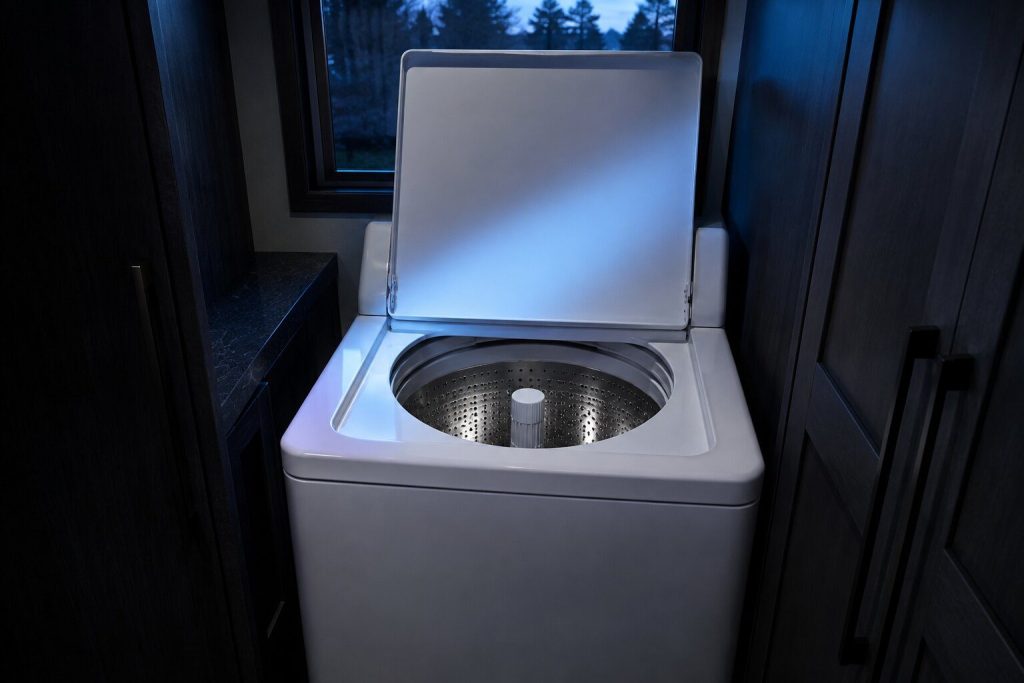
  • A white top-load washing machine standing in a narrow laundry closet at dusk with its lid raised, an empty stainless basket below and a tall finned center agitator post rising from the middle of it.
    Top load · front load · commercial-grade residential

    Maytag washer

    This is the deepest branch of Maytag's own support base and the oldest thing the badge does — the company has been building washing machines since 1907. 479 pages, and 158 of them are code pages: 86 on the top-load machine, 62 on the front-load. That is more numbered diagnosis than the whole refrigeration half of the catalog gets, and it changes how a washer call starts. On most makes we ask what the machine is doing; here we ask what it is showing, because it will usually be showing something. The top-loader is the one Maytag is bought for and the one that outlives its kitchen — which is also why so many of the machines we open here are older than the room around them.

    • Top-load, front-load and commercial-grade residential machines
    • 86 code pages on top load, 62 on front load — the make's most documented appliance
    • Older machines are normal here: the badge is bought to be kept
    Washer repair
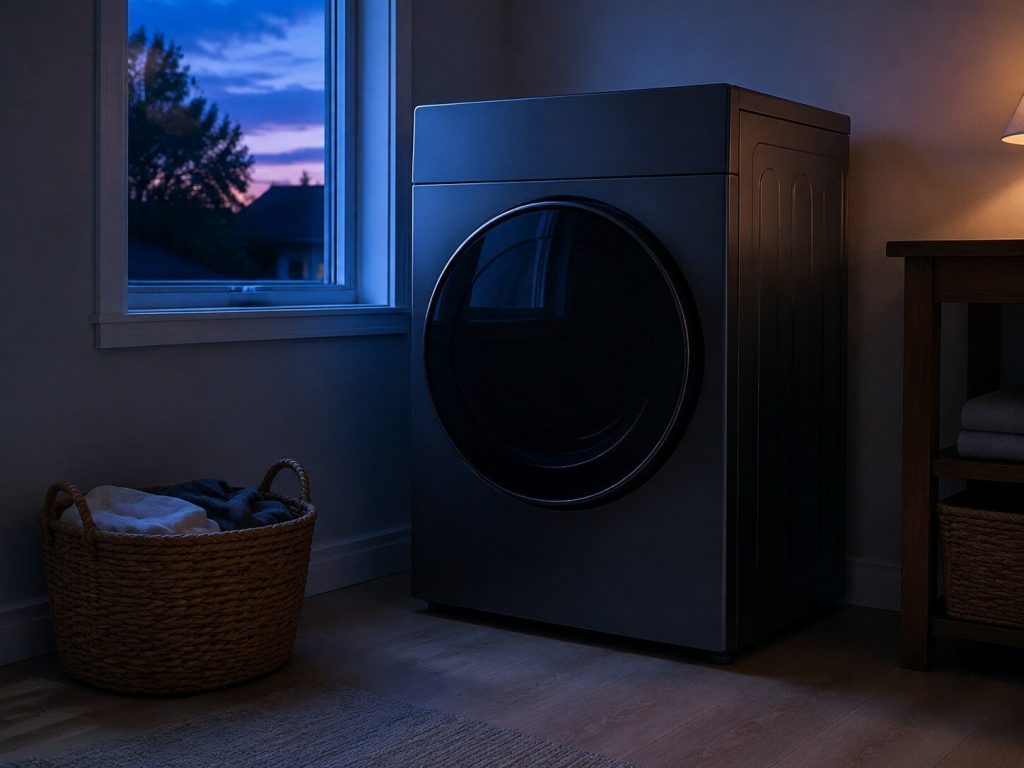
  • A front-load dryer beside a small laundry-room window at dusk, blue light across its flat front
    Electric and gas · vented · commercial-grade residential

    Maytag dryer

    189 pages and 56 of them numbered, plus a commercial branch of 73 pages with 39 more. Every dryer under this badge is a vented machine — there is no heat-pump model and no compact one, which is a real difference from the sister brands in the same corporation and it decides the whole diagnosis. A vented dryer lives or dies by the duct behind it, and in South Florida that duct is more often long and horizontal than short and vertical, and it carries air that arrived with plenty of moisture of its own. So a dryer here gets slower every season until somebody finally counts the cycles, and the machine at that point is usually fine.

    • Vented electric and gas dryers, and the commercial-grade residential machines
    • 56 code pages, and 39 more on the commercial dryer
    • No heat-pump and no compact model — the duct is the diagnosis
    Dryer repair
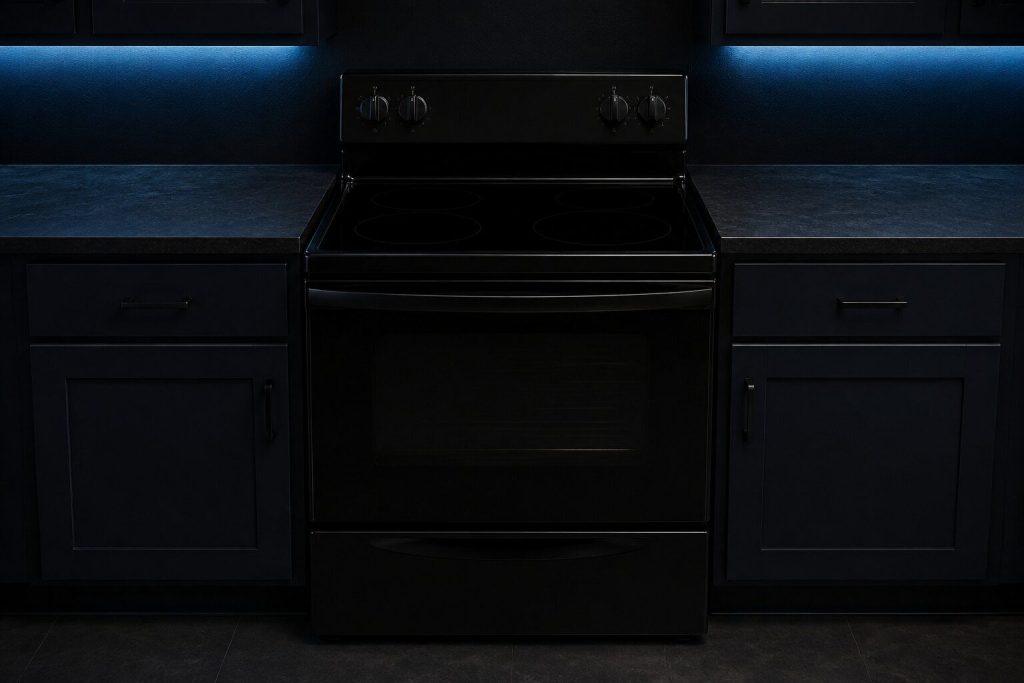
  • A freestanding electric range standing between two runs of dark base cabinets in a near-black kitchen at night, its smooth black ceramic top empty and unlit, the oven door closed, a plain back console with unreadable knobs.
    Freestanding, slide-in and drop-in · gas or electric

    Maytag range

    355 pages, 170 of them numbered — the second most documented appliance this make builds, and the one most likely to tell you what is wrong before anybody arrives. A range is also the appliance where the two halves of a Maytag kitchen meet: the oven cavity below, which this make documents heavily, and the surface on top, which it documents unevenly. An electric surface has 83 code pages behind it. A gas surface has none at all, on this make, in this base — so a gas range call is a longer conversation on the phone by necessity rather than by preference.

    • Freestanding and slide-in ranges, gas and electric
    • 170 code pages — the oven half of the machine is heavily documented
    • Gas surfaces publish no codes at all: what the burner does is the whole diagnosis
    Range repair
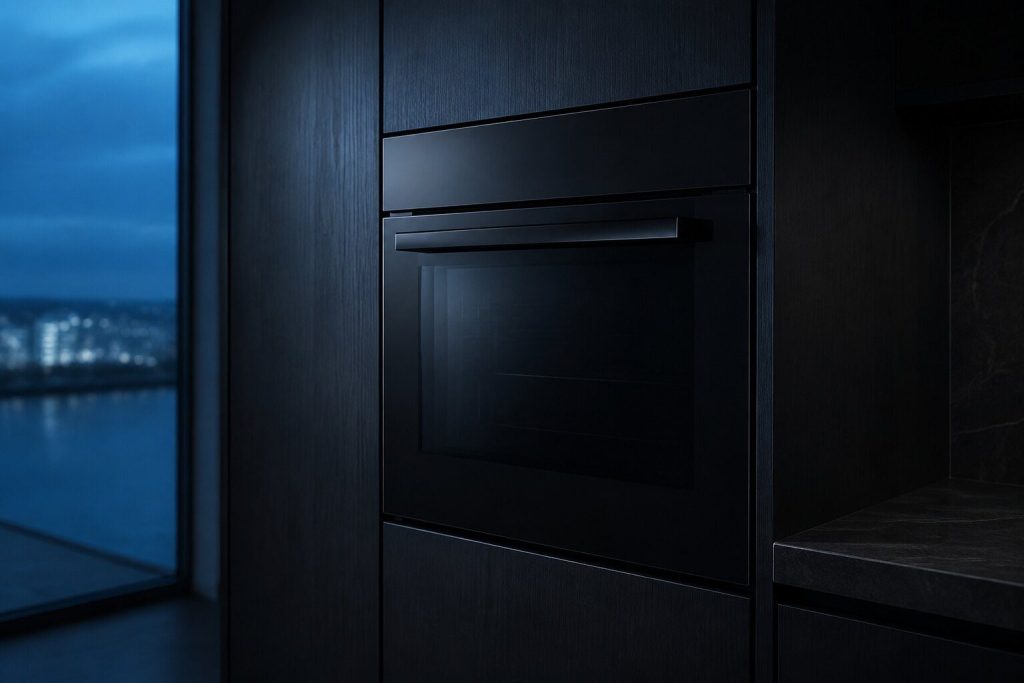
  • A single built-in wall oven set at chest height into a tall column of near-black cabinetry, door closed, plain handle, the glass dark and the fascia unreadable.
    Single and double wall ovens · built into the cabinetry

    Maytag wall oven

    175 code pages out of 293 — proportionally the most documented appliance in this catalog, and the one where the display is most likely to have already done the diagnosis. A wall oven is also the appliance where getting to the part costs more than the part: it is built into a tall housing, it is heavy, and on a double oven it is heavier still. So the visit is planned differently. We want the code and the model before the van is loaded, because a wall oven pulled out twice is a wall oven pulled out once too often.

    • Single and double wall ovens, built into a run of cabinetry
    • 175 code pages of 293 — the most numbered appliance this make publishes
    • Access is the expensive half: the code decides what comes on the first visit
    Wall oven repair
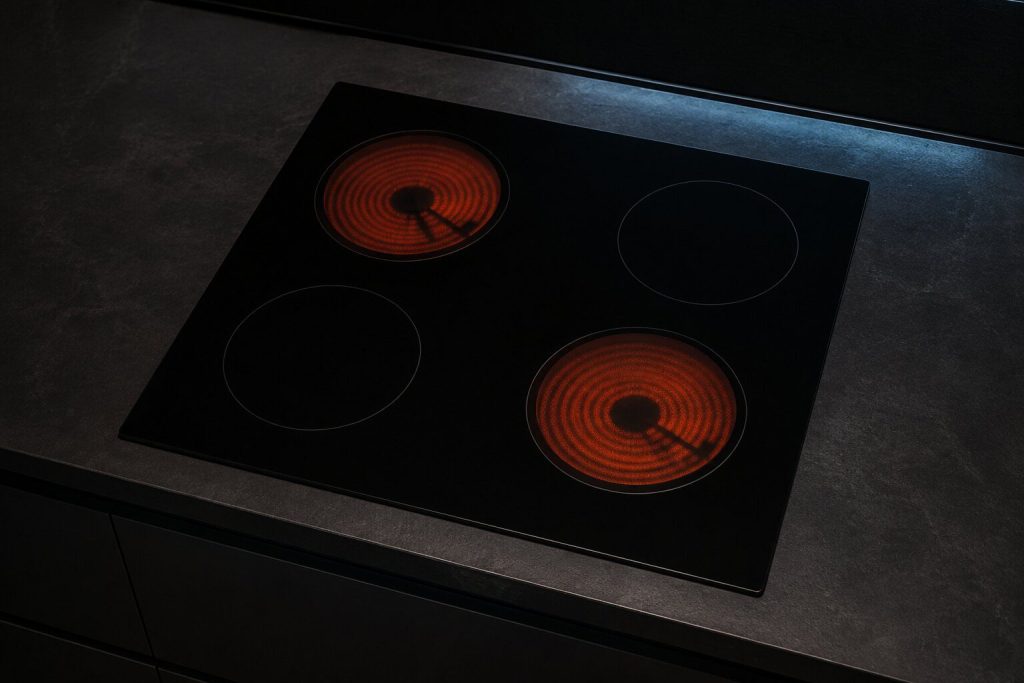
  • A smooth black ceramic cooktop set into a dark stone counter, photographed from above and slightly to the side in a near-black kitchen, two radiant coil zones glowing dull orange beneath the glass and the other two dark.
    Electric radiant and gas · no induction in this catalog

    Maytag cooktop

    211 pages, and the split inside them is the story: 83 code pages on the electric surface and zero on the gas one. There is no induction cooktop under this badge at all — that is a sister brand's product, not this one's — so a Maytag surface is radiant electric or it is gas, and which it is decides whether the appliance can tell you anything. The electric top talks. The gas top does not, and never has, so the diagnosis is what the burner does and how it does it.

    • Radiant electric and gas surfaces — no induction in this catalog
    • 83 code pages on electric, none at all on gas
    • A cracked glass surface is the one thing here we ask you to stop using immediately
    Cooktop repair
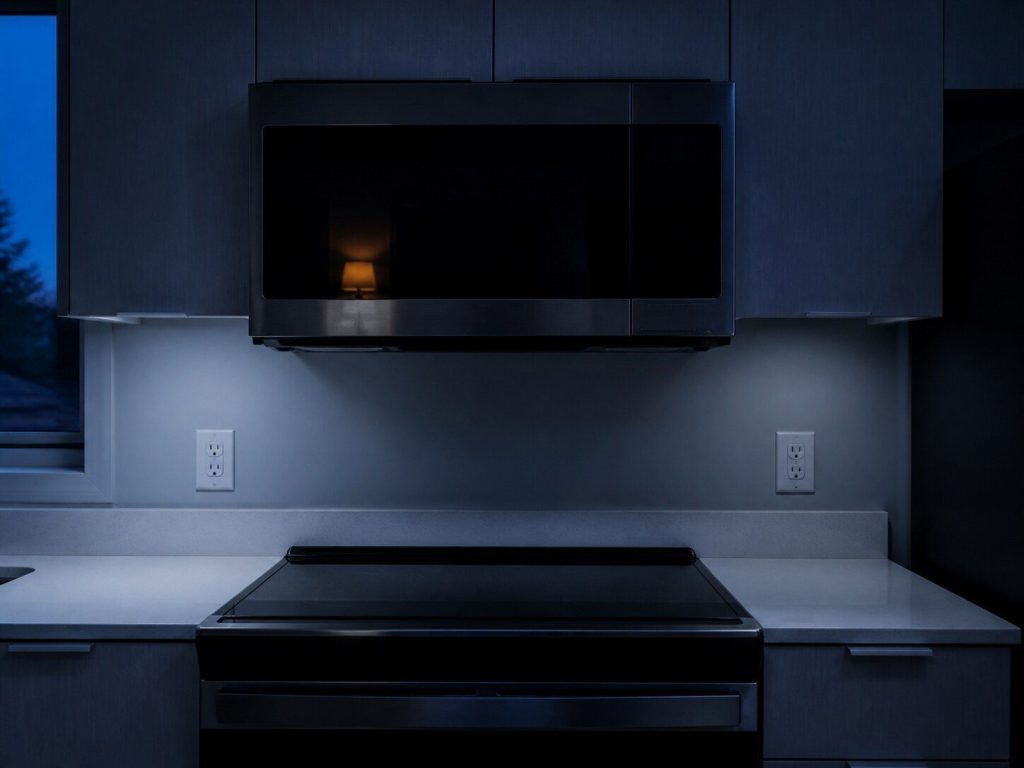
  • An over-the-range microwave mounted above a cooktop in a dark kitchen at night
    Over-the-range and countertop · no built-in in this catalog

    Maytag microwave

    235 pages and 76 code pages, and they are not spread evenly: 67 of them belong to the over-the-range machine and 9 to the countertop one. That matches what these appliances actually are. An over-the-range microwave is also the kitchen's hood — it carries a fan, a damper, a light and a duct — so it fails in ways a countertop machine cannot, and this make documents it accordingly. There is no built-in microwave in this catalog: that branch belongs to a sister brand, and on that sister's own base every page of it now answers 404.

    • Over-the-range machines, which are also the hood, and countertop machines
    • 67 code pages on over-the-range, 9 on countertop
    • No built-in microwave under this badge
    Microwave repair
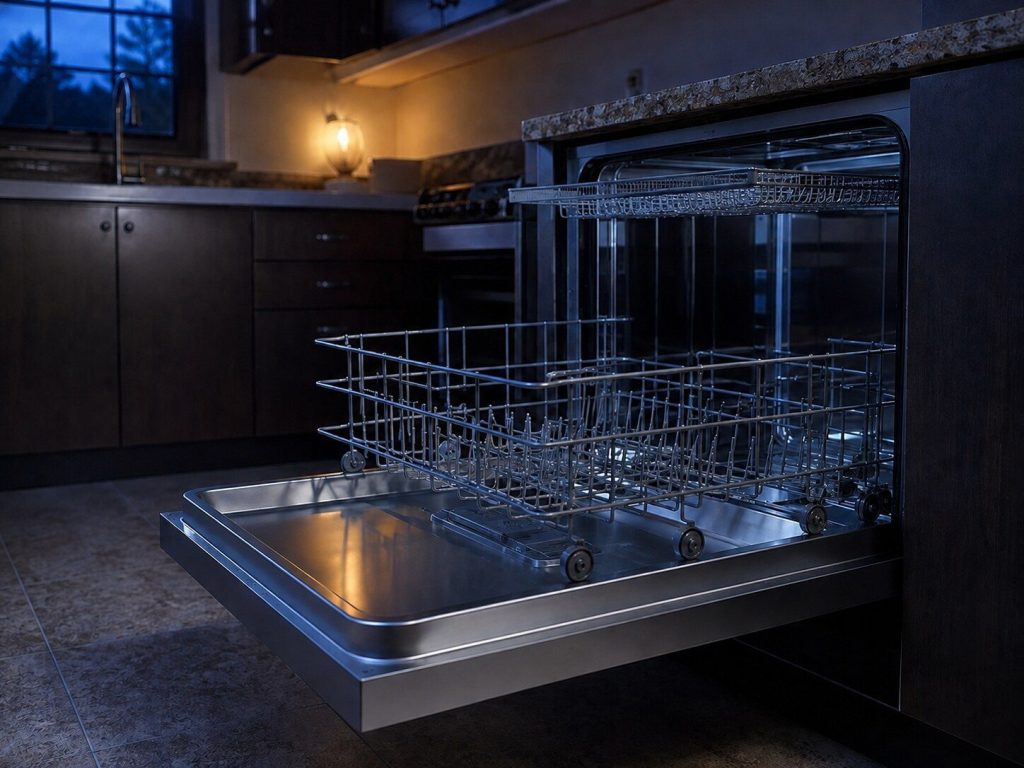
  • A dishwasher door open to horizontal in a dark kitchen with the lower rack halfway out, a plain stainless front in a dark cabinet run
    Front control and top control · stainless and plastic tubs

    Maytag dishwasher

    296 pages with 42 numbered conditions, and a code branch of its own — 38 of those 42 sit under a single heading the make calls Error Code or Flashing Lights. That last phrase is the useful part: on a machine with no digital display the diagnosis is a pattern of blinking lights, and the pattern is the whole message. It disappears the moment the power is cut, which is why we ask what the lights were doing before anybody reached for the breaker.

    • Front-control and top-control machines, stainless and plastic tubs
    • 42 code pages, 38 of them under one Error Code or Flashing Lights heading
    • On a machine with no display, the blinking pattern IS the code
    Dishwasher repair
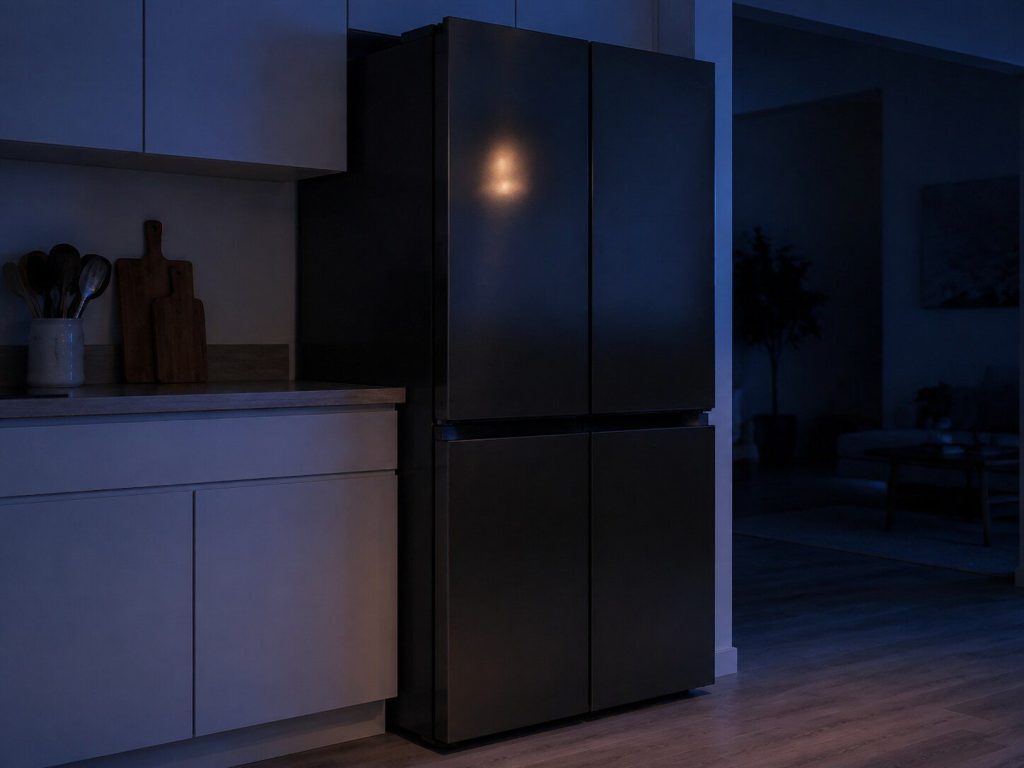
  • A tall four-door French door refrigerator standing flush at the end of a run of slab-front cabinets in an evening kitchen
    French door · side-by-side · top freezer

    Maytag refrigerator

    Five hundred and nine pages in the maker's own base, and twenty-six of them numbered. Hold those two figures next to the seventy-five percent of wall-oven pages that carry a code and you have the whole character of this make in one comparison. Cold is where it stops explaining itself: seventeen numbered pages behind the French door cabinet, nine behind side-by-side, and on the top-freezer cabinet — eighty-four pages of guidance — not one. A visit here is therefore an hour with instruments rather than ten minutes with a panel, and that is worth knowing before you book. There is no quad-door cabinet and no all-refrigerator under this badge; both belong to a sister brand.

    • French door, side-by-side and top-freezer cabinets
    • Seventeen numbered pages on French door, nine on side-by-side, none on top freezer
    • Instruments rather than a panel: this half of the catalog explains very little
    Refrigerator repair
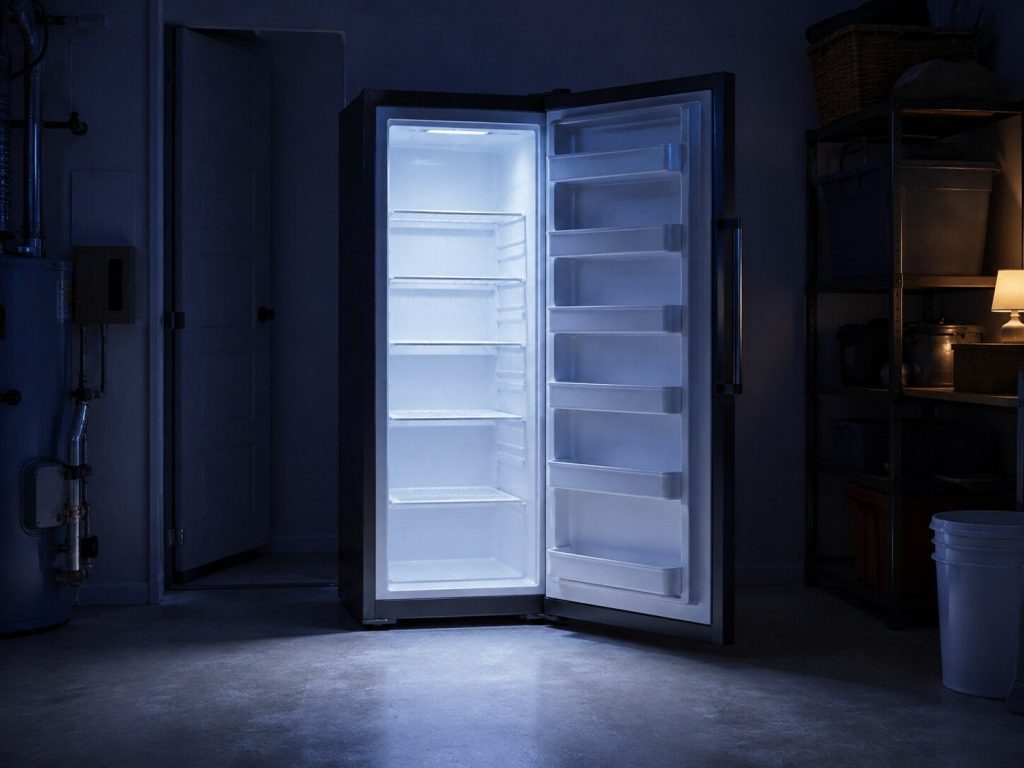
  • A tall single-door upright freezer standing against a utility-room wall with its door open on empty shelves
    Upright · chest · convertible chest

    Maytag freezer

    184 pages in the maker's base and **not one numbered code** — upright, chest and convertible chest alike. A freezer under this badge is a deliberately simple machine and it is diagnosed the way simple machines are: by temperature, by airflow, by the seal, and by where it stands. That last one matters more here than anywhere. Most of the freezers we open in South Florida are in a garage or a utility room that reaches a hundred degrees by afternoon, and an ordinary cabinet asked to hold zero in that ambient is working far outside what its specification assumed. Garage-ready is a specification with a number behind it, not a slogan.

    • Upright, chest and convertible chest freezers
    • No published codes at all — 184 pages of plain guidance
    • Where it stands is half the diagnosis: a hot garage is a different machine
    Freezer repair
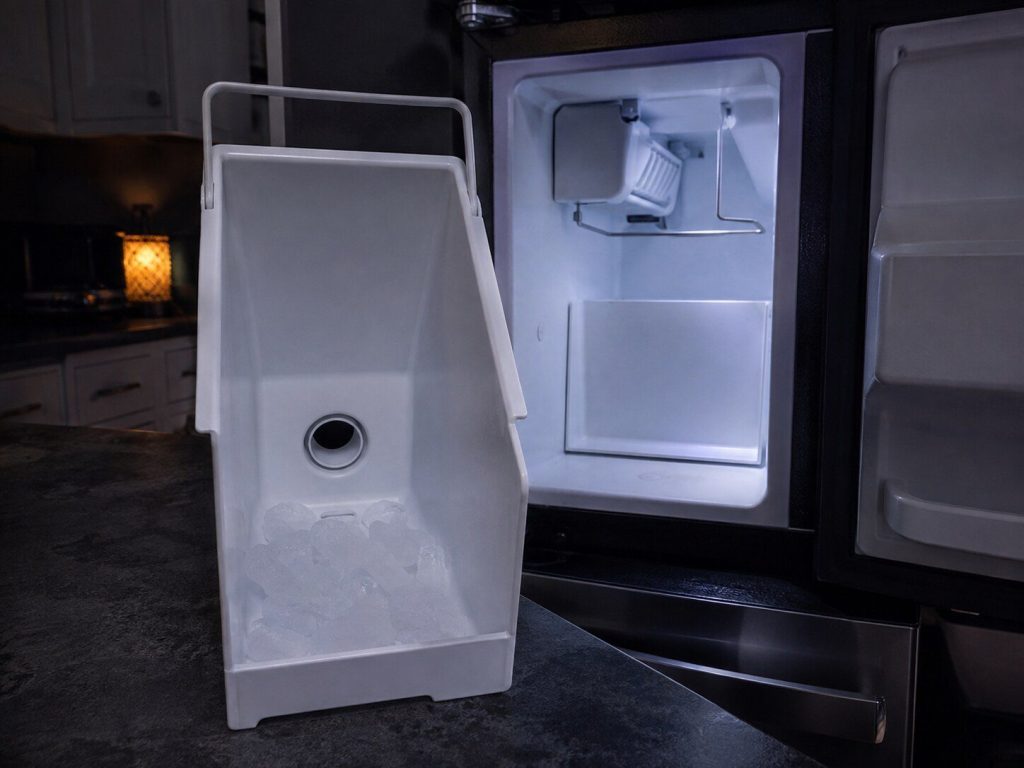
  • The ice storage bin lifted out of a refrigerator with the empty ice compartment behind it
    The ice maker inside the refrigerator — in the door or in the freezer

    Maytag ice maker

    Maytag builds no ice machine of its own, and this page is honest about that instead of describing a sister brand's product. Every one of the 120 ice pages in the maker's base is filed under a refrigerator, beneath headings it calls Ice and Water Concerns and Ice Production, and not one of them carries a number. So there is nothing here to read off a panel. What there is, in a city that gets through ice the way this one does, is a module that spends August at the edge of what it was specified to do — and a short list of reasons it falls off that edge, most of which are about the supply rather than the module.

    • The refrigerator's own ice maker, in the door or in the freezer compartment
    • No ice machine under this badge, and no published codes for ice at all
    • The usual answer is upstream of the module: filter, line, valve, pressure
    Ice maker repair
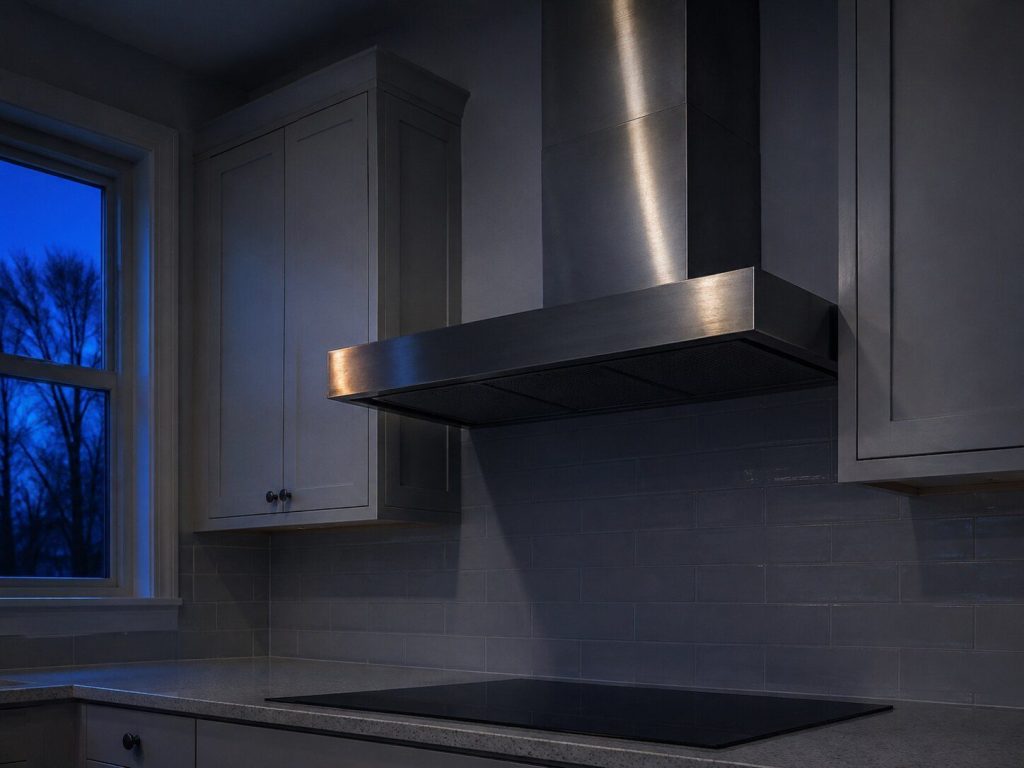
  • A wall-mounted stainless chimney hood above an empty cooktop, seen from below along its underside and flue
    Under-cabinet and wall-mount · ducted or recirculating

    Maytag range hood

    The smallest branch in this catalog — 43 pages and three numbered conditions — and the appliance most likely to be the microwave above the range rather than a hood at all. On this make the over-the-range microwave carries the ventilation for most kitchens, so a hood call here begins by establishing which appliance is actually over the cooktop. Where there is a dedicated hood, the failures are ordinary and mostly mechanical: the fan motor, the switch, the light, the damper and the duct behind it.

    • Wall-mount and under-cabinet hoods, ducted and recirculating
    • 43 pages and three published conditions — the least documented appliance here
    • On most Maytag kitchens the over-the-range microwave IS the hood
    Range hood repair

The unequal half of the house

Two rooms that report, one that stays quiet

Counted from this maker’s own published support: 137 numbered conditions for wall ovens, 129 for ranges, 105 for washers, 41 for cooktops, 50 for microwaves and 48 for dryers. Against that, 509 refrigeration pages carrying twenty-six lit or numbered conditions between them — and not a single one for any freezer, any ice maker, or any top-freezer cabinet.

We say that rather than working around it. On the cold side the diagnosis is a thermometer, a flashlight and a slip of paper in a door seal, and those three settle most of it. What we will not do is borrow a refrigerator’s code and print it on a freezer page to make the site look evenly filled.
What the machine shows
Four identical closed appliance doors in a row along one wall of a dark utility room, all unmarked, one cold light from the left

A third language

The dishwasher blinks instead of printing

Owners who have had a range from this family expect a code on a screen and are thrown when the dishwasher answers in lights. It is not a lesser system: a clean light repeating a pattern, a control light holding steady, a row of status lights across the front edge — each of those is a report, and our archive carries them as themselves rather than translating them into numbers they never had.

The practical consequence is one request. Watch the pattern through two repeats and write it down before you cut the power, because the reset erases it and the condition stays.

The blinking panel
A run of near-black slab-front kitchen cabinets photographed along its length with one strip of ice-blue light under the wall units and nothing else lit

Before you book

Where the model number hides on each of them

Laundry and cold

  • Top-load washer: under the lid, on the rim of the tub opening.
  • Front-load washer and dryer: inside the door opening, or on the back panel near the top.
  • Refrigerator: inside wall of the fresh food compartment, usually beside or above the crisper.
  • Upright and chest freezer: on the back of the cabinet, or inside on the wall near the top.

Cooking and the dishwasher

  • Range: on the frame behind the storage drawer, or on the oven door frame.
  • Wall oven: on the frame at the side of the opening, visible with the door open.
  • Cooktop: underneath, which usually means from inside the cabinet below.
  • Dishwasher: on the edge of the door, readable only when it is open.

The work itself

Or start from the job

Every job we take on this badge, with what it involves and the figure it starts from.

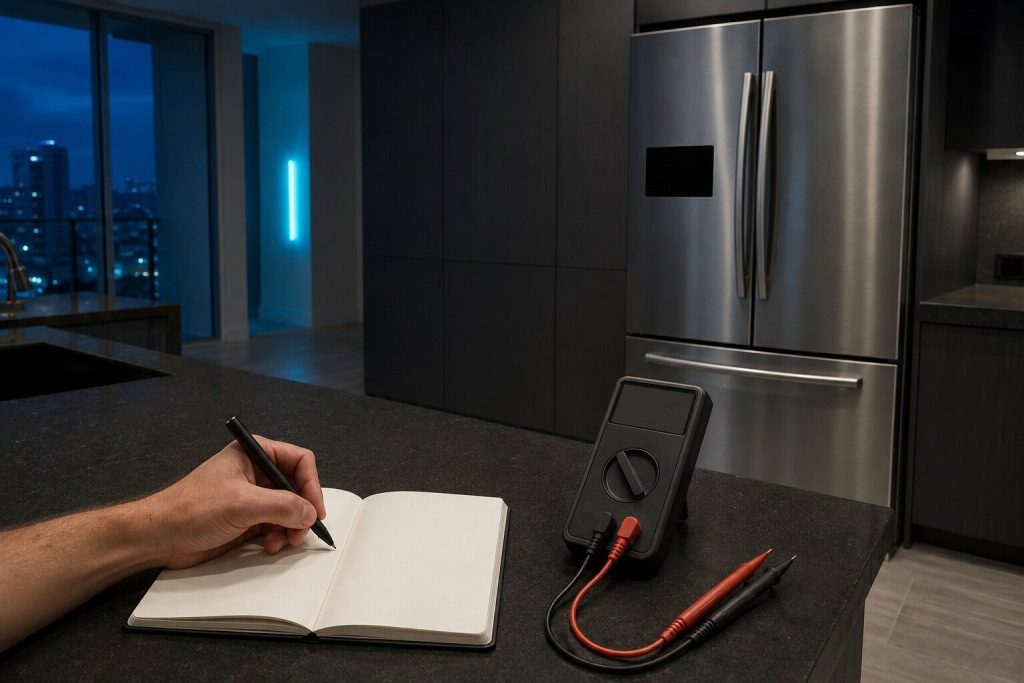
  • A multimeter and an open notebook on a dark counter beside an appliance whose panel is dark, a hand writing. One visit, one answer in writing, which is what this page promises.
    from $89

    Diagnostic visit

    We find out what is wrong before anybody quotes a part, and on this make that means two different visits depending on which half of the kitchen we are in. A washer or an oven will usually be showing something, and the first ten minutes are spent reading it. A refrigerator or a freezer will be showing nothing at all, because this maker publishes almost no codes for cold, and those minutes go on thermometers instead. The fee comes off the bill when you go ahead with the work.

    • Read first where the machine talks, measure first where it does not
    • Age is established early: these machines are routinely older than the kitchen
    • Credited toward the repair
    What this involves
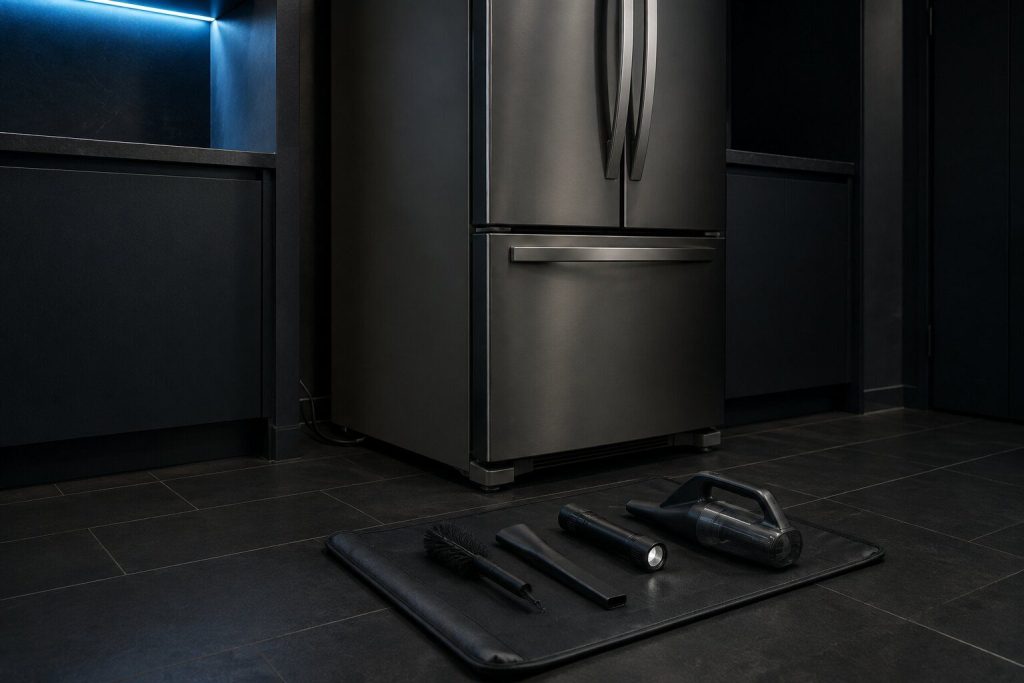
  • A rolled tool mat opened on near-black tile in front of a refrigerator pulled forward, a coil brush, a vacuum crevice tool, a torch and a small vacuum standing on it, nothing dismantled and no panel off.
    from $119

    Appliance maintenance

    The visit that stops the other visits, and on equipment bought to last it is the one that pays for itself twice over. The list is short and specific: the condenser at floor level in a humid kitchen, the dryer duct that gets longer every year in effect if not in fact, the seals this climate works harder than the manual assumed, and the drain that must not stand. None of the four announces itself, and all four are cheaper to keep than to repair.

    • Condenser, seals, drains, vents and leveling, on every appliance in the run
    • The intervals are set to this climate rather than to the manual's calendar
    • You keep a written note of what is aging and roughly when it will matter
    What this involves
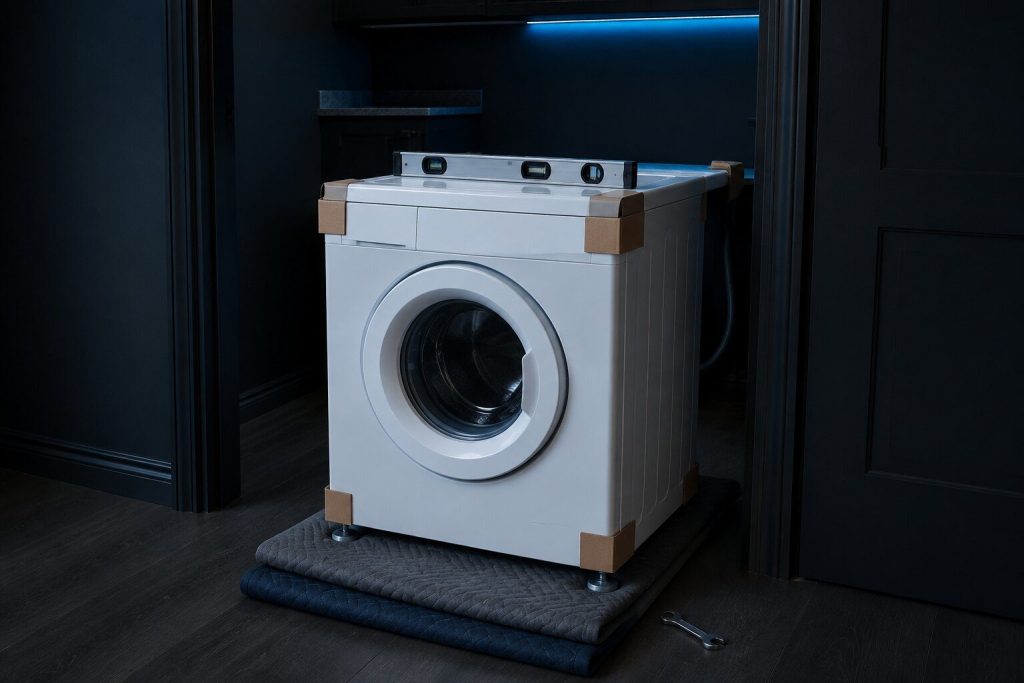
  • A washing machine standing on two folded moving blankets just clear of its opening in a dark laundry closet, cardboard corner guards still on it, a spirit level lying across the lid and an open-ended wrench on the floor beside a front foot.
    from $139

    Appliance installation

    Fitted against the maker's own figures rather than pushed into a hole and switched on. There is a published cutout, a required clearance, an anti-tip fixing and a water connection, and equipment installed to those figures gives years of quiet service. Installed without them, it generates precisely the calls the rest of this site describes: doors that will not seal, coils with nowhere to breathe, laundry that never comes out dry.

    • Cutout, clearance and anti-tip against the maker's published figures
    • The dryer duct is inspected and measured at installation, not after the first complaint
    • Run under load before we leave, not plugged in and left
    What this involves
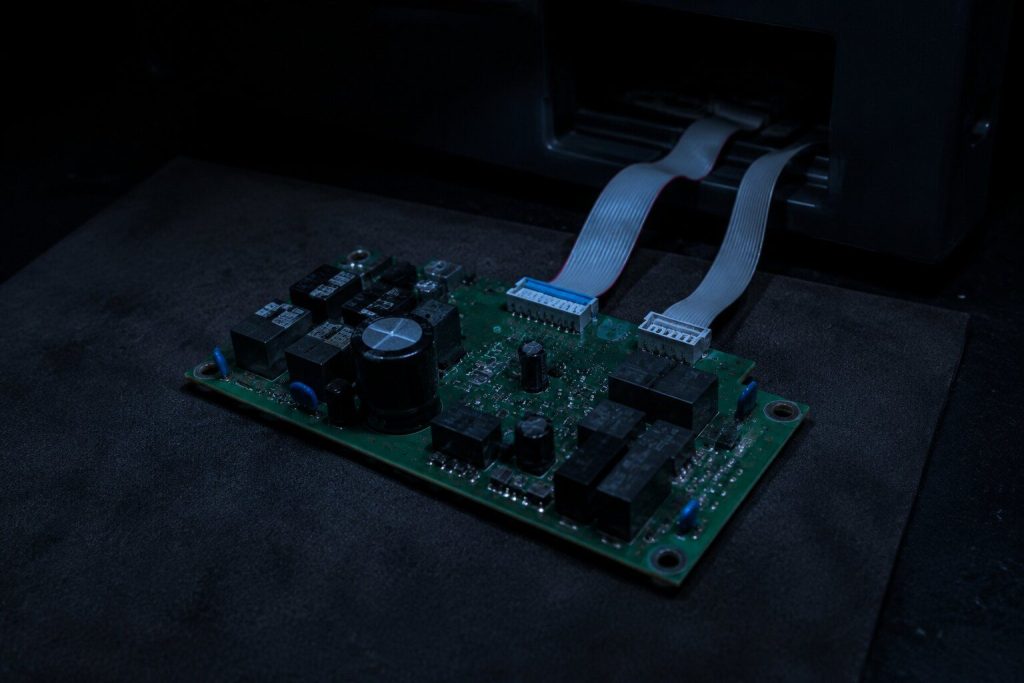
  • A green control board lifted out of an appliance and laid on a dark antistatic mat under one low lamp, two ribbon connectors still trailing back into the opening, relays and a large capacitor visible, nothing on the board readable.
    from $265

    Appliance control board repair

    Everybody reaches for this part first, and the manufacturer's own documentation asks that it be proved innocent before it comes out. One control architecture runs across this whole corporation, which is why a letter-and-number on a range looks so much like one on a washer — and why a board diagnosed by resemblance rather than by measurement gets replaced perfectly well and changes nothing. Boards seldom die of nothing, and whatever killed this one is still in the appliance when the new one goes in.

    • Proved before it is condemned: supply, harness and the connections into it
    • A browned connector or a pin backed out of its housing is cheap; a board is not
    • Programmed to your model afterwards, or the appliance behaves oddly in ways nobody links back
    What this involves
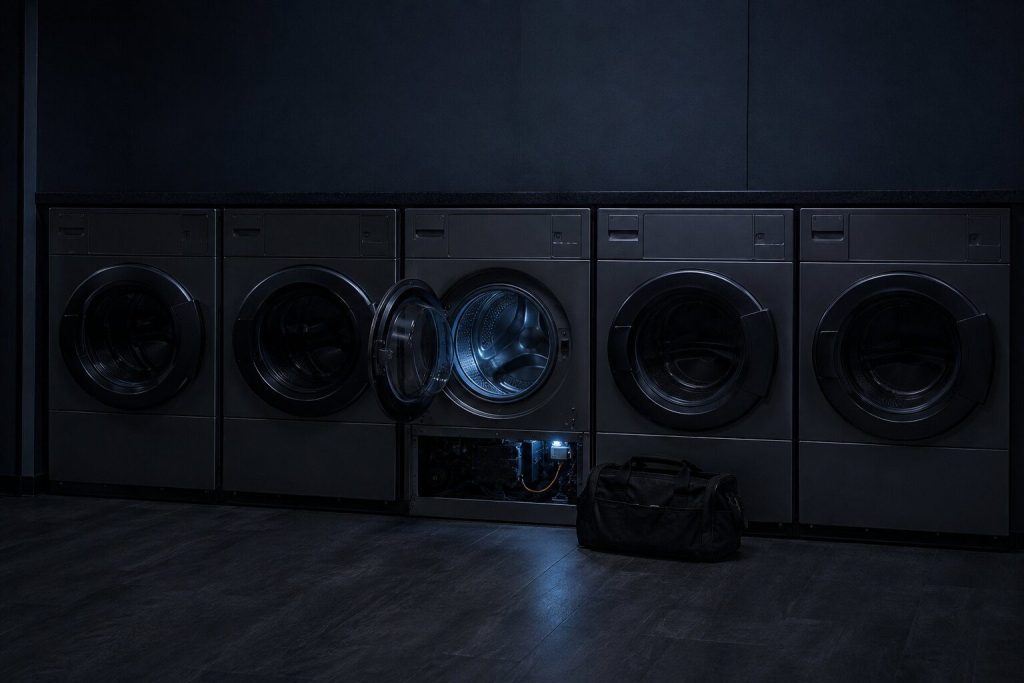
  • A row of five identical coin-operated front-load machines along the wall of a shared laundry room at night, one of them standing open with its lower panel off and a tool bag on the floor beside it, the rest closed and dark.
    from $159

    Commercial appliance repair

    This make's commercial line is laundry, and that is what this covers: coin and card washers and dryers in condominium laundry rooms, small buildings, salons and gyms across South Florida. They are not domestic machines with a different badge. They run to a duty cycle, they are opened more often, and their downtime costs somebody money by the hour — so they are scheduled against that rather than against a convenient window.

    • Coin and card laundry, which is what this maker's commercial line is
    • 142 pages of its own in the maker's base, 39 of them published codes on the dryer
    • Scheduled against downtime rather than against a convenient window
    What this involves
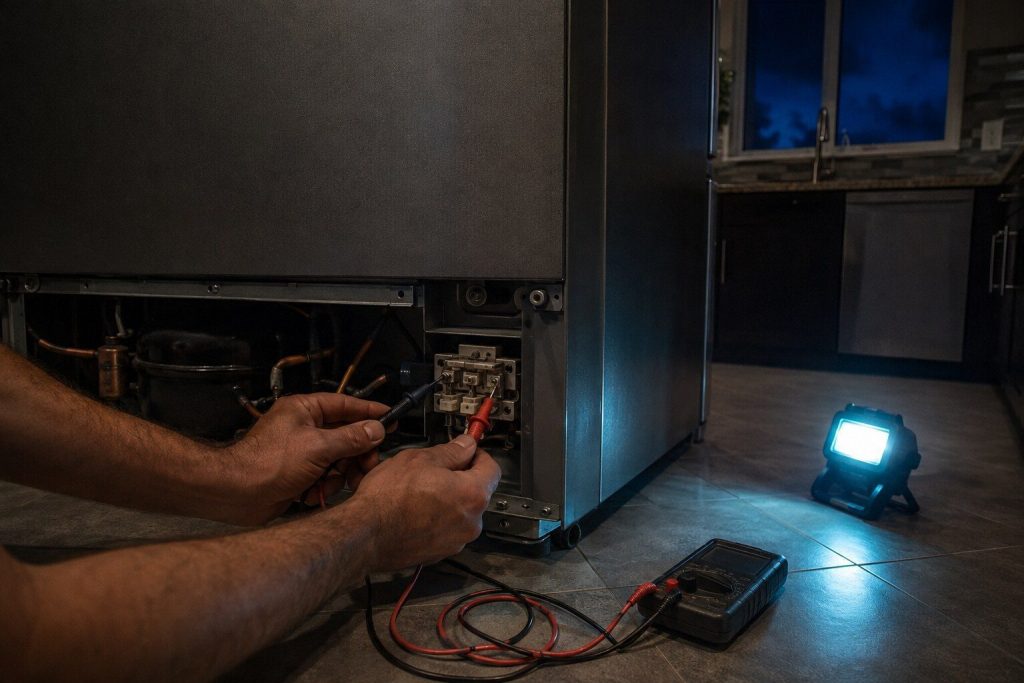
  • Meter probes on a terminal block behind the lower rear panel of a refrigerator pulled out from the wall
    from $145

    Refrigerator not cooling repair

    A cabinet that runs and will not hold its number. On most makes the first move is to read the panel; here there is usually nothing on it, because this maker publishes twenty-six numbered conditions across five hundred refrigeration pages and none at all for a top-freezer cabinet. So this is an hour with instruments and a fixed order — the free causes, then the air, then the gauges — and it is why the first visit is longer here than on the cooking side of the same kitchen.

    • Instruments rather than a code lookup: this half of the make explains very little
    • The free causes come first, and they close more of these calls than any part
    • Refrigerant work is quoted only after gauges, and never on a warm-side-only complaint
    What this involves
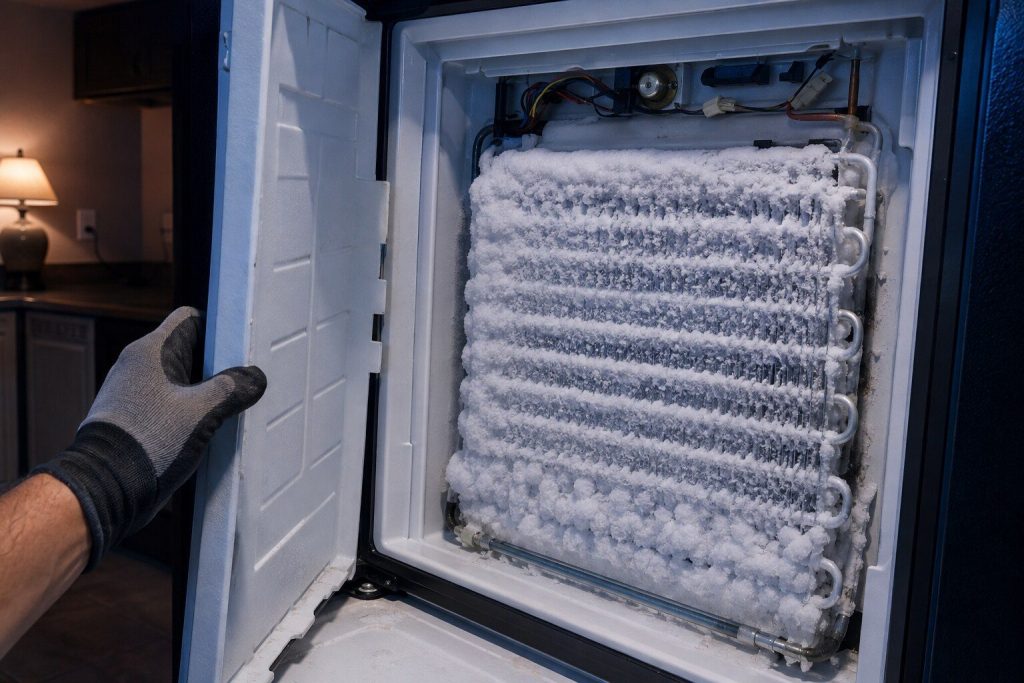
  • The inner rear panel off to show the evaporator coil packed solid with frost and the glass heater rod along its foot. Both halves of the diagnosis in one frame: the ice, and the part that should have cleared it.
    from $165

    Defrost system repair

    Ice on the evaporator behind the back wall rather than frost around the door, and a cabinet that gets worse over weeks instead of failing outright. The circuit is a heater, a terminator and the sensor that decides when to stop, and on this make none of the three announces itself — so the finding takes longer than the fixing and the price says so. What sends a defrost circuit here is usually humidity getting in somewhere it should not.

    • Ice at the back is the defrost circuit; ice at the door is the seal
    • Heater, terminator and sensor measured cold, not judged by how thick the ice looks
    • The way the moisture is getting in is found too, or it comes back next season
    What this involves
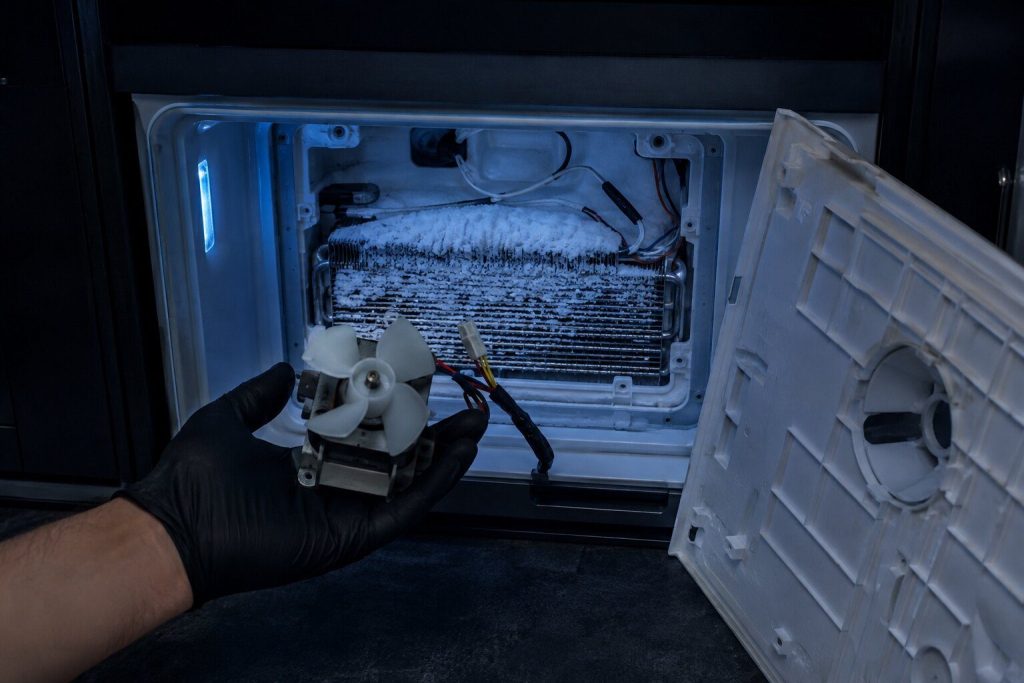
  • The inner rear panel of a freezer removed and leaning aside, a small evaporator fan motor with its plastic blade lifted out on a gloved palm and its harness trailing back into the opening, frost still on the coil behind.
    from $155

    Evaporator fan repair

    The reason a freezer holds perfectly while the food section goes warm. One compressor serves the whole cabinet, so cold is being made and simply is not arriving — and the part that moves it is behind the rear panel with the shelves out. It is a short repair once the panel is off and a longer diagnosis before that, because on this make nothing on the front of the appliance will point at it.

    • The classic warm-fresh-food, cold-freezer complaint
    • Behind the rear panel: the strip-down is the job, the part is not
    • The ice that stopped the blade is checked for as well as the blade
    What this involves
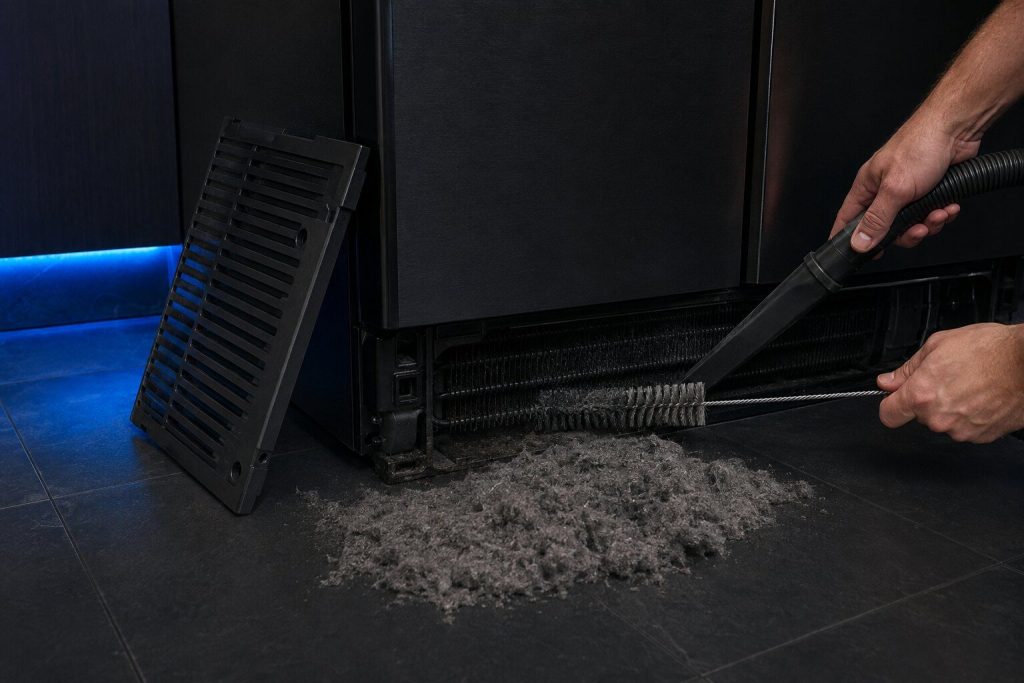
  • The base grille of a refrigerator removed and leaning against the cabinet, a coil brush and a vacuum nozzle worked in among the black condenser fins behind it, a grey mat of dust drawn out onto near-black tile.
    from $115

    Condenser cleaning service

    The maker's own first answer for a cabinet that is not cold enough, and in this city it is right often enough to do on every visit anyway. The coil sits behind a grille a few inches off the floor and collects what floors collect — dust, pet hair, and near the water a fine salt film that binds the rest into a blanket. Nothing on the appliance reports it. The compressor simply runs longer for less.

    • The cheapest thing on this site and the cause of a real share of cold calls
    • Cleaned the way the manual allows, without a chemical and without bending fins
    • The clearance around the cabinet is measured too, not just the coil
    What this involves

Worth knowing

On a quiet cabinet, the compartment next door is the instrument

Where there is no code to read, the most useful measurement is free and takes one night. Put a glass of water with a thermometer in it on the middle shelf of the fresh food side and another in the freezer, and read both before the door has been opened in the morning. A freezer holding at zero while the fresh food side drifts to fifty says something entirely different from both of them sitting warm — the first points at air not arriving, the second at the sealed system or the defrost circuit. Two numbers, and half the visit is already decided.

Before you book

The questions this page gets asked

Do you work on every Maytag appliance?

Everything on this page: refrigerators, freezers, ice makers, dishwashers, washers, dryers, ovens, ranges, cooktops, range hoods and microwaves. We do not take on water heaters, air conditioning, or anything outside the kitchen and the laundry room.

My appliance shows nothing at all. Is that a problem?

Not on the cold side — it is normal for this badge, and it is why those pages are written around what you can see and measure rather than around a code. On a washer or a range, a completely blank display is itself a finding and usually a power one.

Is a repair worth it on an old machine?

Often, on this badge, and we will give you a straight answer rather than a quote. Small parts on a fifteen-year-old Maytag are usually worth fitting. A basket bearing or a sealed system on the same machine usually is not, and you should hear that from the person holding the flashlight.

Do you repair built-in and over-the-range units?

Yes, and those are the ones most worth repairing, because replacing them drags in cabinetry and venting. An over-the-range microwave or a wall oven is fitted to an opening, and matching that opening is usually more trouble than the repair.

In more detail

Eleven machines, three different ways of asking what is wrong

Read it, count it, or measure it

The appliances on this page fall into three groups and knowing which one you are standing in front of decides what you do first. Washers, dryers, ranges, wall ovens, cooktops and microwaves print a condition, and the first move is to copy it down before the power goes off. The dishwasher and the refrigerator blink or light a word, and the first move is to count the pattern. Freezers and ice makers say nothing at all, and the first move is a thermometer left overnight.

Why that matters on the phone

It decides which questions are worth asking you. There is no point asking for a code from a chest freezer, and there is every point asking for one from a range. Half the value of a call is knowing which half of this list you are in, and that is what this page exists to settle before anybody dials.

Tell us which machine, and what it is doing.

A model number and one accurate sentence about the behavior is enough for us to say what is likely and what to bring.

This article is based on:

  • Official manufacturer documentation
  • Internal repair procedures
  • Technician repair history
  • Company quality standards
Call (305) 853-8839