Appliance
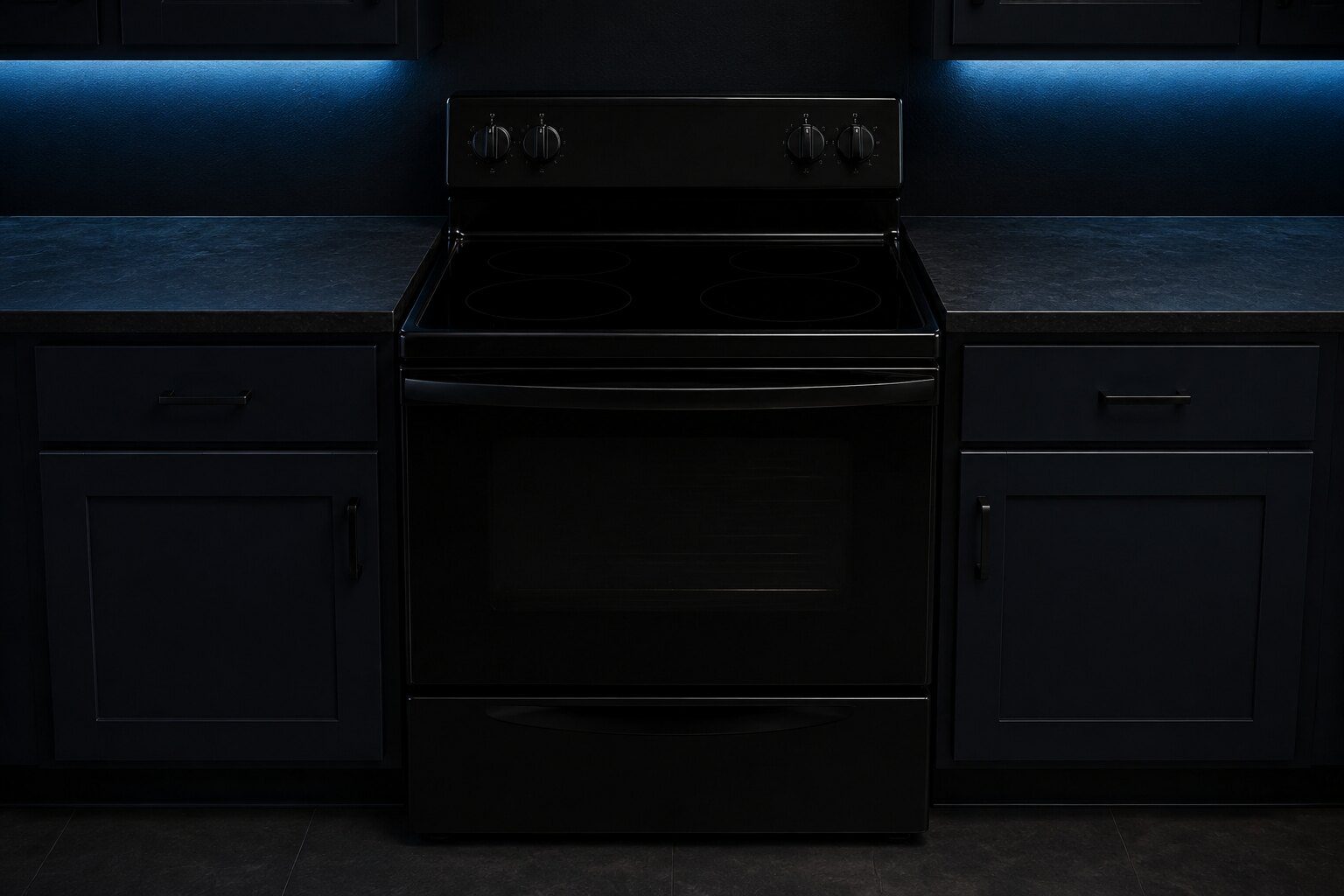
Maytag ranges
355 pages, 170 of them numbered — the second most documented appliance this make builds, and the one most likely to tell you what is wrong before anybody arrives. A range is also the appliance where the two halves of a Maytag kitchen meet: the oven cavity below, which this make documents heavily, and the surface on top, which it documents unevenly. An electric surface has 83 code pages behind it. A gas surface has none at all, on this make, in this base — so a gas range call is a longer conversation on the phone by necessity rather than by preference.
- 4 symptoms we are called out to
- From $89 diagnostic, credited to the repair
- 59 cities and neighborhoods covered
- OEM parts available on order
The short version
What this equipment is, for a repair
Configurations
Freestanding, slide-in and drop-in · gas or electric
Access
Planned before the visit, not discovered on arrival
Parts
OEM, available on order
Diagnostic
From $89, credited to the repair
What goes wrong with it
Symptoms we are called out to on Maytag ranges
Each one covers the likely causes in the order they are worth checking, and what to do in five minutes before booking anything.
-
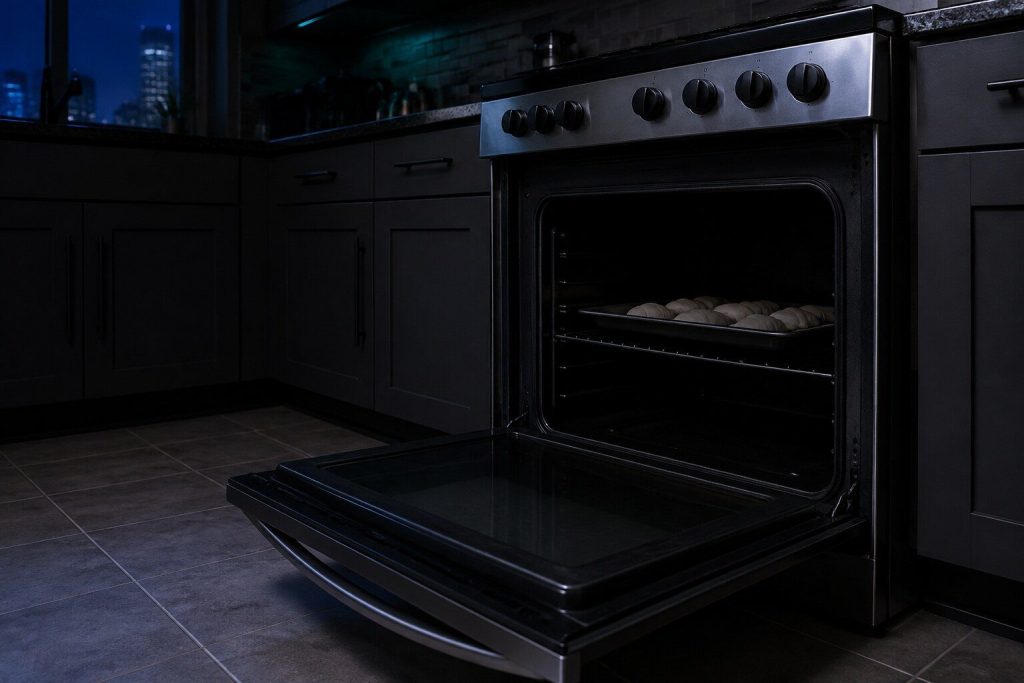
The oven takes the setting, and the cavity stays cold Oven will not heat
An oven that accepts a temperature and never reaches it is usually reporting the problem somewhere, because this is the half of the house where this maker prints numbers. Look at the display before you look at anything else — an F code here is a specific, published condition and it saves most of the guessing.
- A code on the display is worth writing down before the power is cut
- Gas and electric ovens fail in completely different places
- A demonstration mode left on will heat nothing at all and looks like a dead oven
-
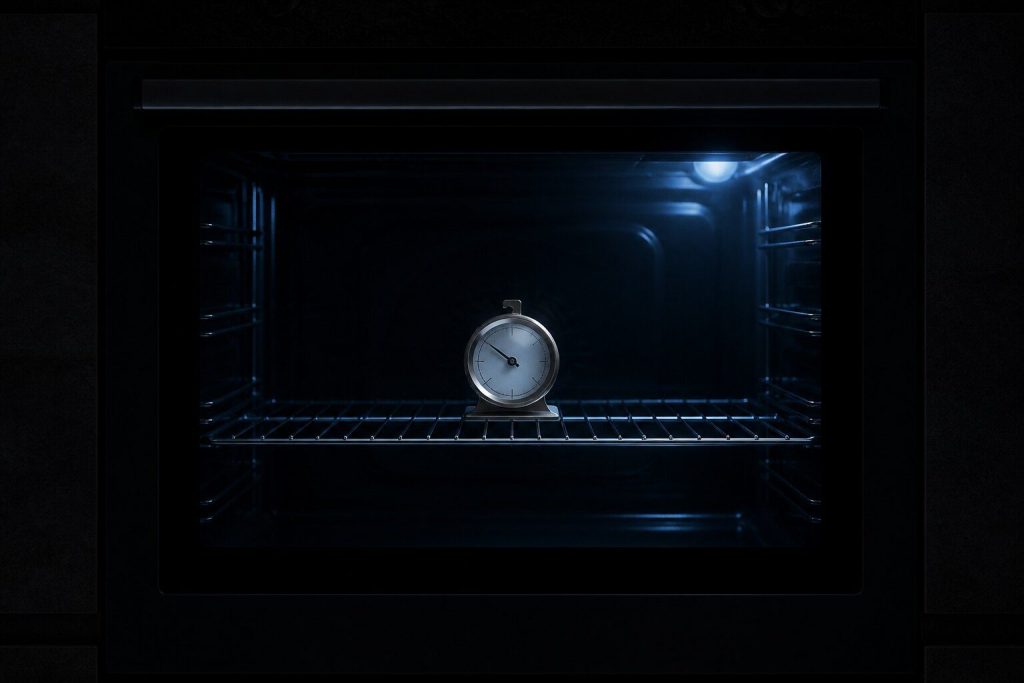
Everything is burning, or nothing browns and cakes come out flat Oven runs hot or cold
An oven that heats but heats wrongly is the hardest complaint to describe and the easiest to measure. Before anything is called a repair, it is worth finding out whether the oven is actually wrong and by how much, because ovens drift over years and this one may only need telling.
- Measure it before you judge it — an oven thermometer settles the argument in half an hour
- These ovens have an owner-adjustable calibration and it is a menu item, not a repair
- A large and steady error is a sensor; a wandering one is a control
-
The clean cycle finished hours ago and the door is still shut Oven door locked after self-clean
Self-clean puts the oven above eight hundred degrees and locks the door until it is safe. Most of the time the door is still locked because the oven is still hot, and the answer is patience. The rest of the time the cycle put something out of action on its way through, and that is the call we usually get.
- The lock will not release until the cavity has genuinely cooled — that can be two hours or more
- A self-clean cycle is the single hardest thing an oven ever does to itself
- A door still locked the next morning is a repair, not a wait
-
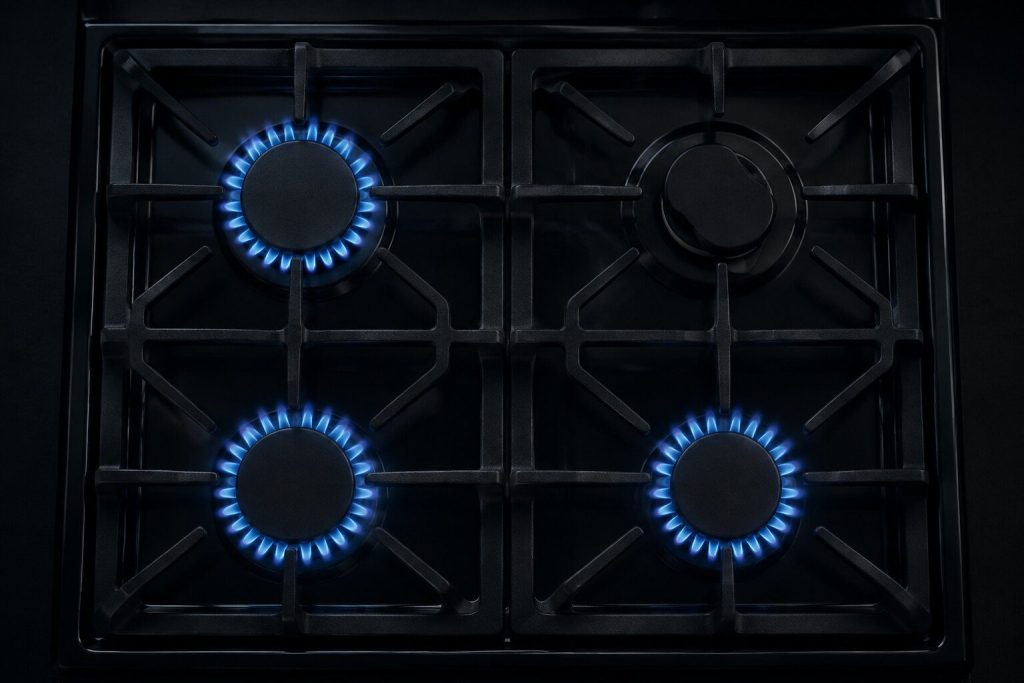
One burner clicks and never catches, or an element stays cold Range burner will not light
This is the one repair on the whole site where the owner regularly fixes it before we arrive, and we would rather say so. A gas burner that clicks and will not light is usually a burner cap that is out of position or a port blocked by something that boiled over, and both are a kitchen-towel job rather than a service call.
- A burner that clicks is getting spark — the gas or the port is the problem
- One dead burner is that burner; every burner dead is supply or ignition shared
- An electric element that stays cold is usually the element or its connection, not the control
What we do on it
Repairs we carry out on Maytag ranges
Starting figures for this equipment in South Florida. The exact cost is confirmed after an on-site diagnostic — and this is not the whole list of what can go wrong, so call if your problem is not here.
-
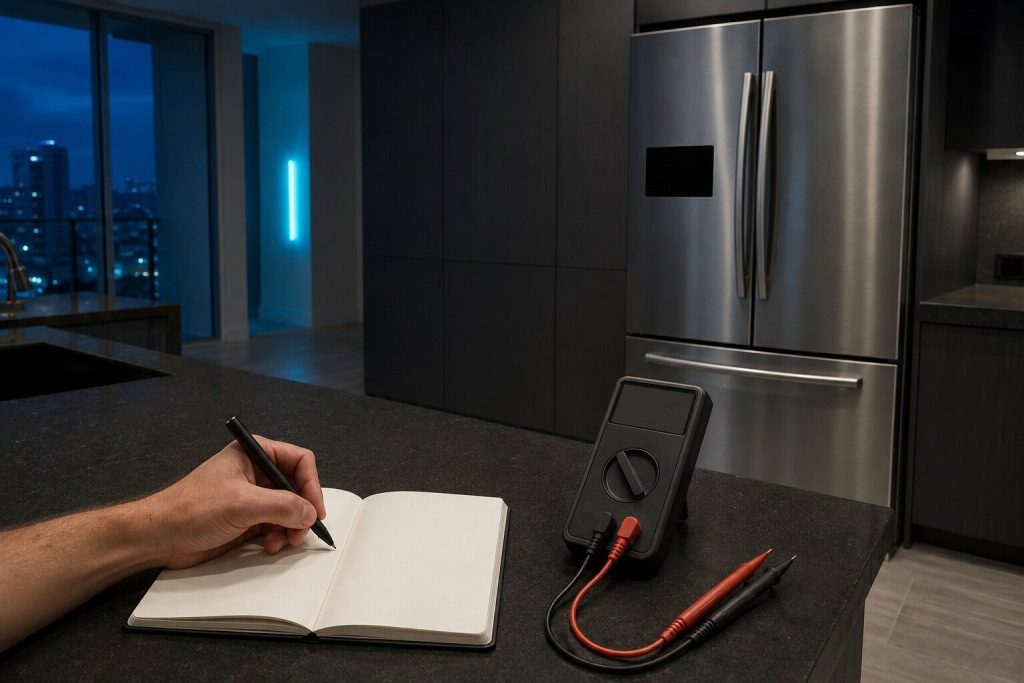
from $89 Diagnostic visit
We find out what is wrong before anybody quotes a part, and on this make that means two different visits depending on which half of the kitchen we are in. A washer or an oven will usually be showing something, and the first ten minutes are spent reading it. A refrigerator or a freezer will be showing nothing at all, because this maker publishes almost no codes for cold, and those minutes go on thermometers instead. The fee comes off the bill when you go ahead with the work.
- Read first where the machine talks, measure first where it does not
- Age is established early: these machines are routinely older than the kitchen
- Credited toward the repair
-
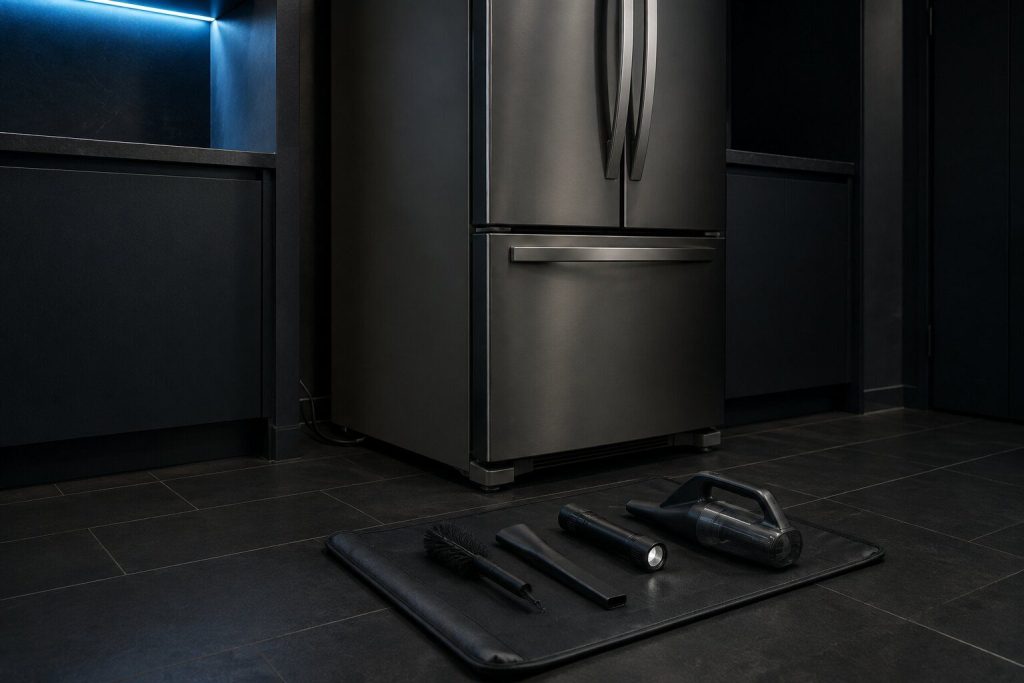
from $119 Appliance maintenance
The visit that stops the other visits, and on equipment bought to last it is the one that pays for itself twice over. The list is short and specific: the condenser at floor level in a humid kitchen, the dryer duct that gets longer every year in effect if not in fact, the seals this climate works harder than the manual assumed, and the drain that must not stand. None of the four announces itself, and all four are cheaper to keep than to repair.
- Condenser, seals, drains, vents and leveling, on every appliance in the run
- The intervals are set to this climate rather than to the manual's calendar
- You keep a written note of what is aging and roughly when it will matter
-
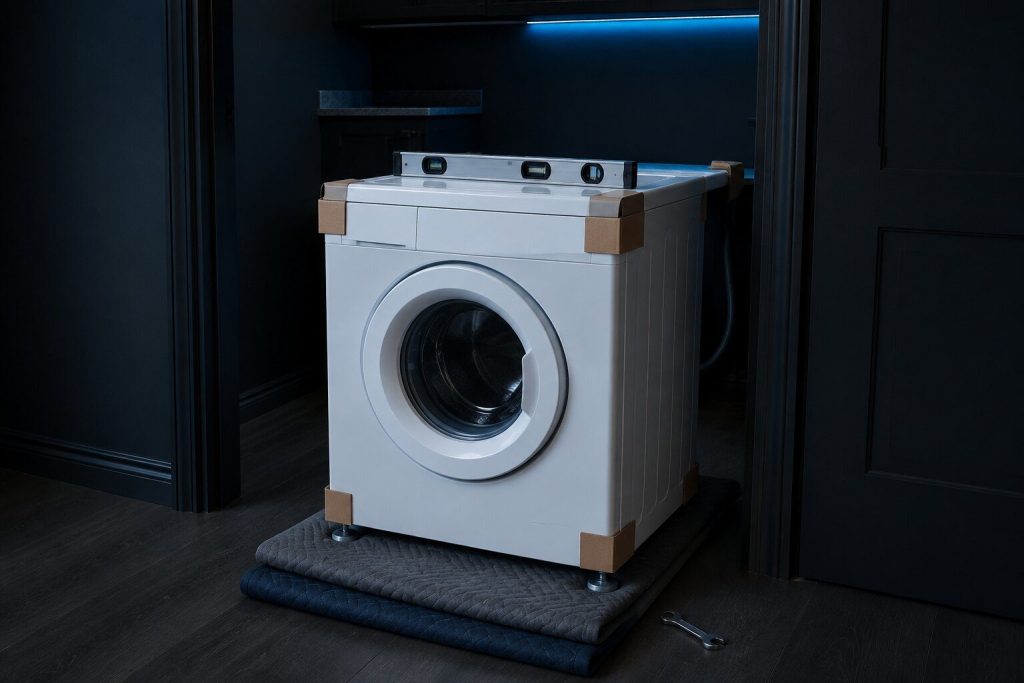
from $139 Appliance installation
Fitted against the maker's own figures rather than pushed into a hole and switched on. There is a published cutout, a required clearance, an anti-tip fixing and a water connection, and equipment installed to those figures gives years of quiet service. Installed without them, it generates precisely the calls the rest of this site describes: doors that will not seal, coils with nowhere to breathe, laundry that never comes out dry.
- Cutout, clearance and anti-tip against the maker's published figures
- The dryer duct is inspected and measured at installation, not after the first complaint
- Run under load before we leave, not plugged in and left
-
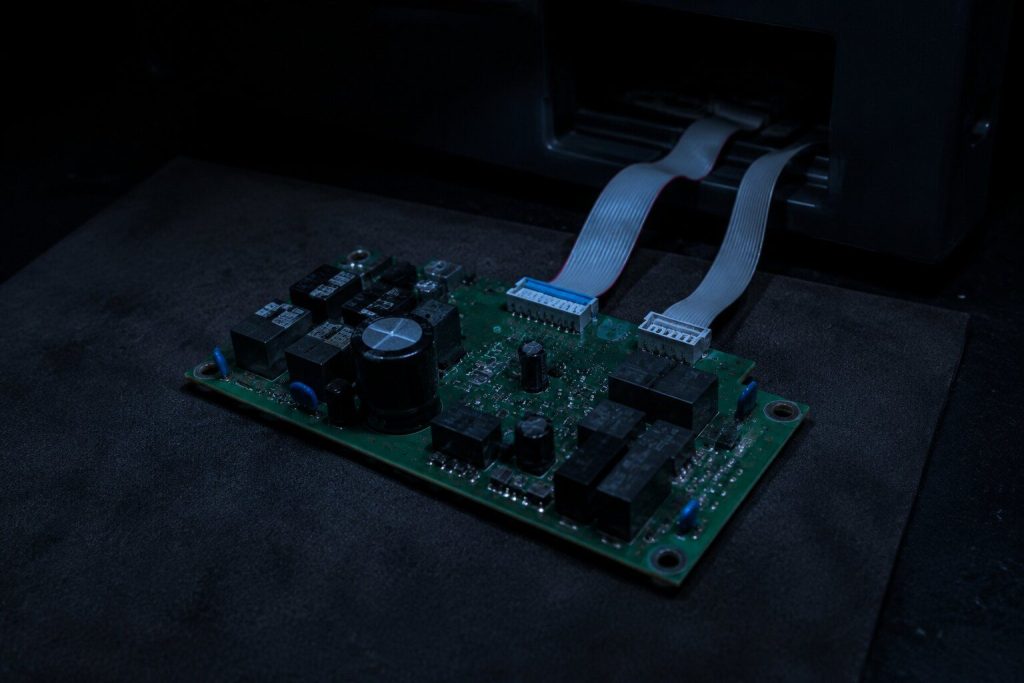
from $265 Appliance control board repair
Everybody reaches for this part first, and the manufacturer's own documentation asks that it be proved innocent before it comes out. One control architecture runs across this whole corporation, which is why a letter-and-number on a range looks so much like one on a washer — and why a board diagnosed by resemblance rather than by measurement gets replaced perfectly well and changes nothing. Boards seldom die of nothing, and whatever killed this one is still in the appliance when the new one goes in.
- Proved before it is condemned: supply, harness and the connections into it
- A browned connector or a pin backed out of its housing is cheap; a board is not
- Programmed to your model afterwards, or the appliance behaves oddly in ways nobody links back
-
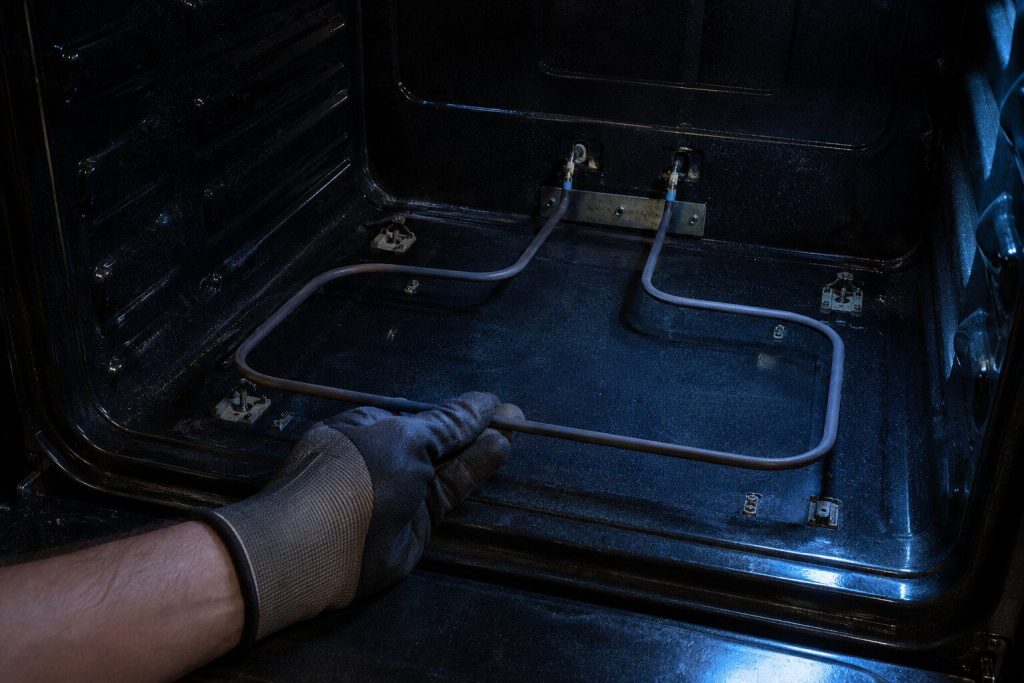
from $155 Oven not heating repair
Cold, or heating to the wrong number, and the two are different jobs. This is the most documented appliance the maker builds — a hundred and seventy-five numbered pages out of two hundred and ninety-three on wall ovens — so the display usually names the subsystem before anybody arrives. On a wall oven the price carries the access as much as the part: a tall housing, a heavy cabinet and a run of joinery either side.
- The display usually names the subsystem: photograph it before switching off
- Consistently wrong and swinging wrong are different diagnoses
- On a wall oven the access is most of the cost, so the code decides the first visit
-
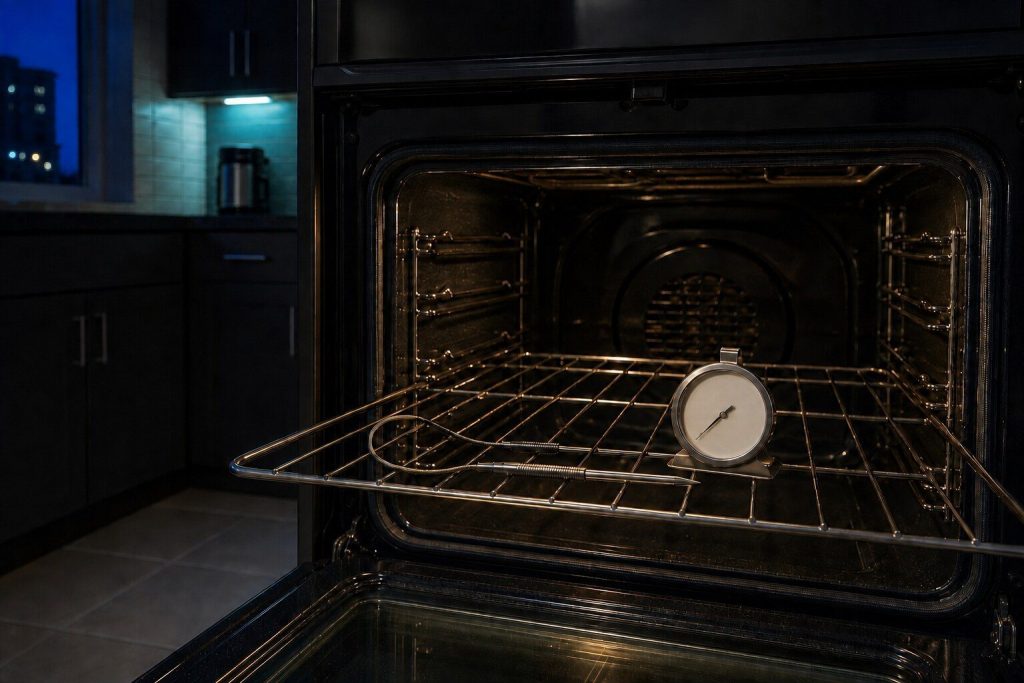
from $125 Oven temperature sensor service
The cheapest of the oven rows and the correct answer to an oven that is out by a consistent amount. A sensor drifts rather than fails — it reads a little low for a year and then a lot — so the complaint arrives as baking that has gone wrong rather than as an appliance that has stopped. It is measured against the maker's own resistance figure rather than replaced on suspicion.
- The right answer when the oven is wrong by the same amount every time
- Measured against the maker's own figure rather than swapped on suspicion
- The connection behind the cavity is checked as carefully as the part
-
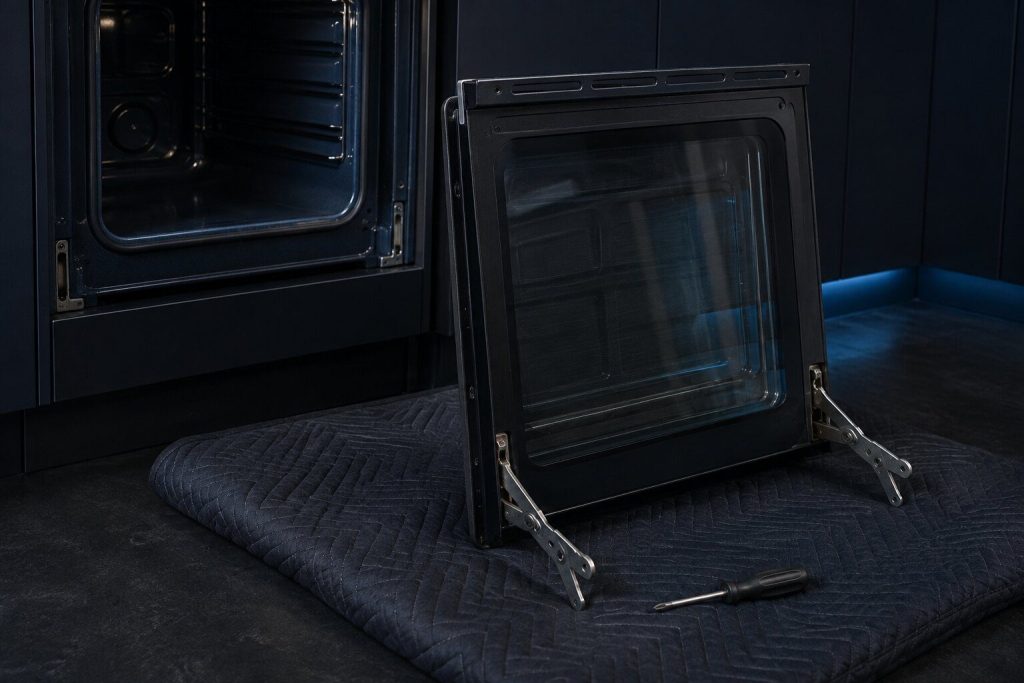
from $175 Oven door and hinge repair
A door that will not close square, has dropped, or has fogged between its panes. On a double wall oven it is a two-person job and that is quoted openly rather than discovered on the day. A door out of true costs heat and evenness before it costs anything else, so an oven that has started browning on one side is worth checking here before the element is suspected.
- A door out of true costs heat and evenness before anything else
- Hinges go in as a pair, and the door is set to the cabinetry either side
- On a double oven this is a two-person job and it is quoted as one
-
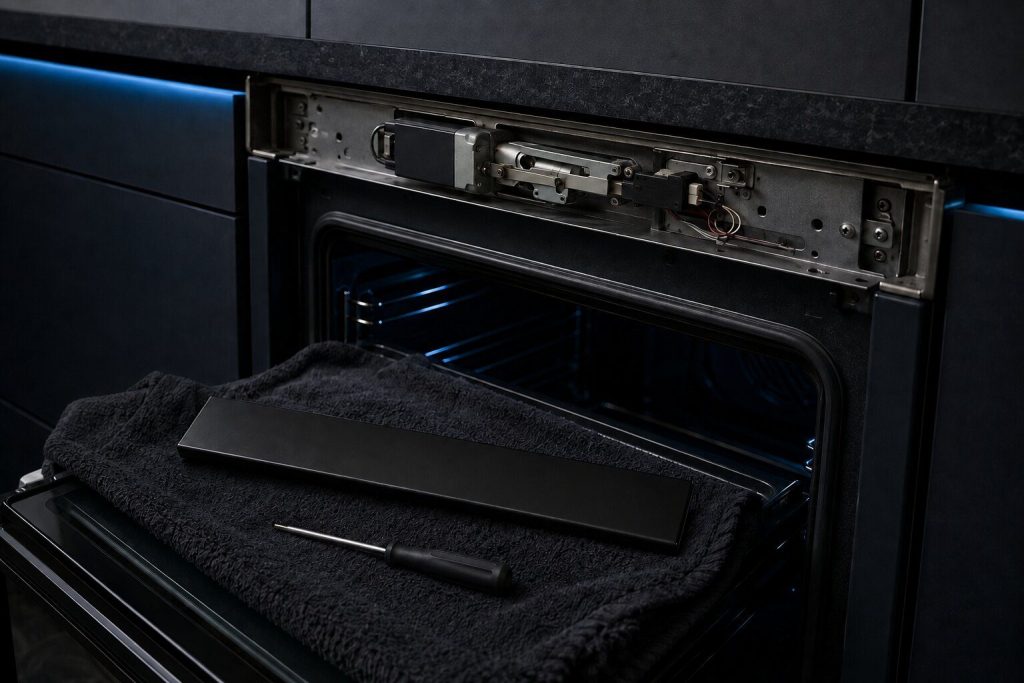
from $155 Self-clean and door lock repair
The oven holds its door shut through a self-clean and releases as it cools. When it does not, that is the motorized latch, and it is a same-day call rather than something to live with — an oven you cannot open is a kitchen missing an appliance. The one thing not to do is run the cycle again: a stalled latch put through the same heat is how this gets more expensive.
- A same-day job: an oven locked shut is a kitchen missing an appliance
- Do not run the cycle again — that is how the latch gets worse
- The reason the clean stopped early is found too, not just the latch
-
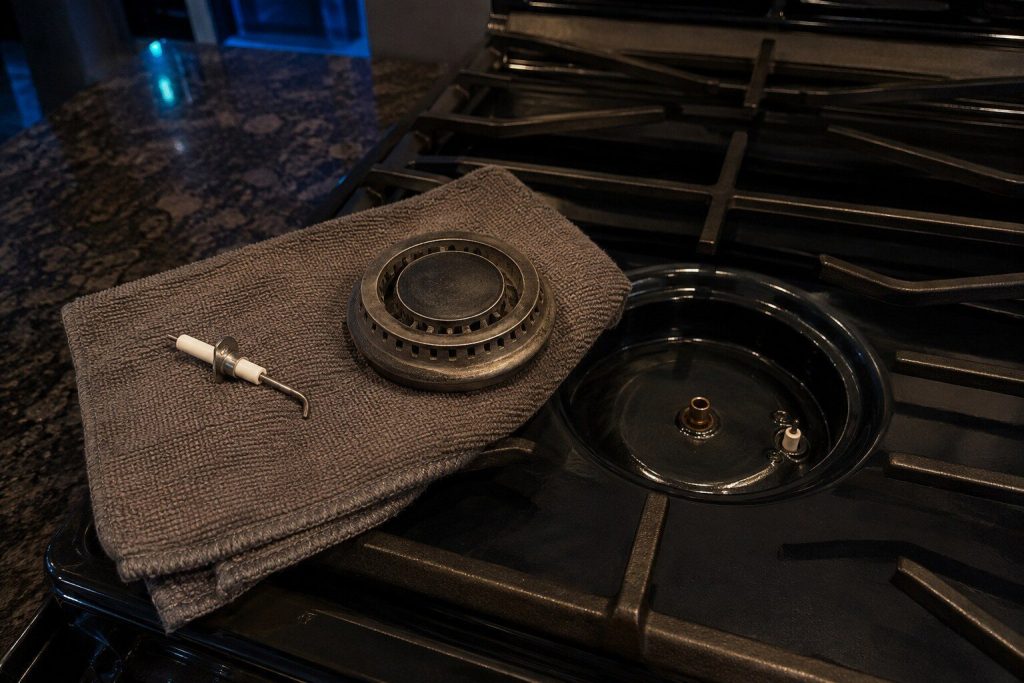
from $165 Gas burner and igniter repair
This maker publishes no numbered codes for gas surfaces at all — not one, on any cabinet — so the whole diagnosis is what the burner does. Whether it clicks, whether it lights and dies a few seconds later, whether it burns yellow, and whether it is one burner or all of them. Those four answers name the part between them, which is why a gas call here is a longer conversation on the phone than an electric one.
- No published codes on gas: behavior is the entire diagnosis
- A cap set back a fraction after a clean is free to correct and very common
- Lighting and then dying is flame sensing, not ignition
-
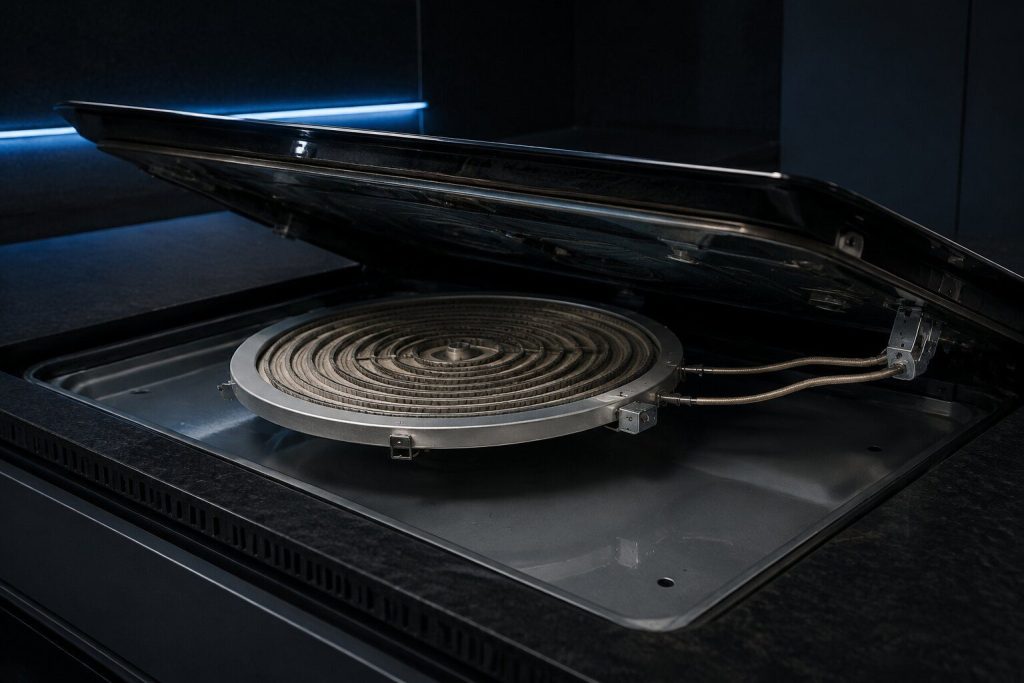
from $175 Electric cooktop element repair
The half of the cooking line that does report numbers — eighty-three numbered pages across a hundred and fourteen — so an electric surface will usually say something before anybody lifts the glass. Most of what it says points at an element, a switch or the control underneath, and the awkward part is not the diagnosis but the top: the glass comes up, and it goes back onto seals and clamps that must not be over-tightened.
- 83 numbered pages behind this surface — it usually reports something
- The glass comes up and goes back on seals that are not over-tightened
- A zone switching itself off is usually the protection working, not a part
-
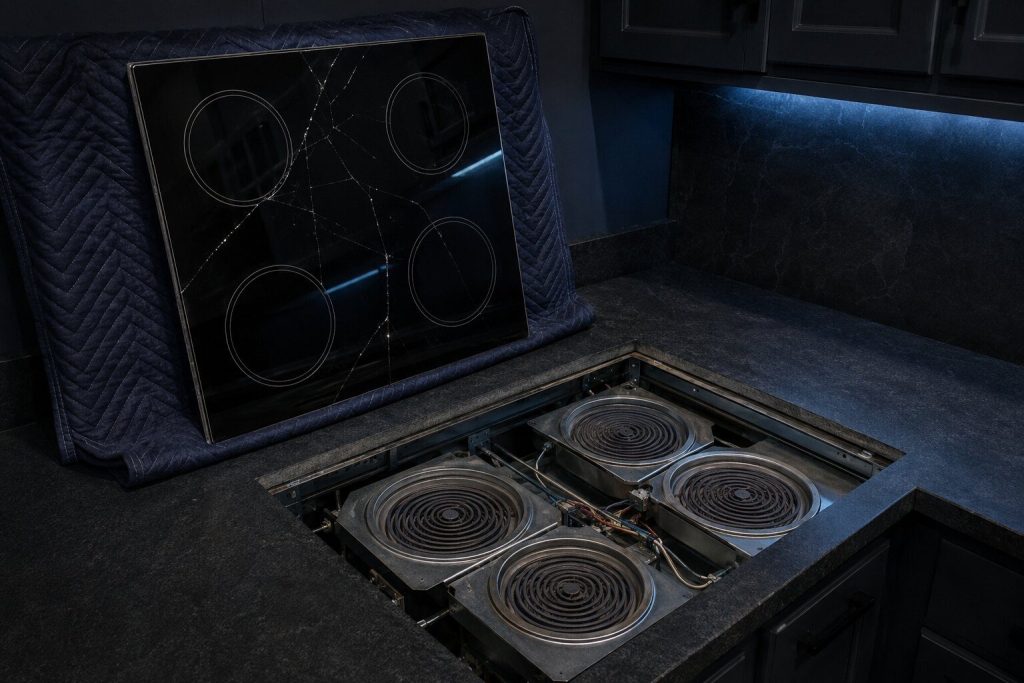
from $265 Cooktop glass replacement
The one repair on this site where we ask you to stop using the appliance now. That sheet of glass is what keeps a spill off the electronics beneath it, and a crack that reaches an edge is an open path from the hob to the live half of the machine. Thermal shock causes most of them; a top clamped a fraction too tight at installation causes the rest, and a new panel fitted into the same over-tight opening is a repair with a date on it.
- Stop using it today: a crack to the edge is a path for liquid into the electronics
- Thermal shock and over-tight clamping cause most of them
- The fitting is corrected with the glass, or the new panel goes the same way
In more detail
About Maytag ranges
One cabinet, two makes of diagnosis
Maytag publishes 170 code pages for its ranges and 83 for electric cooktops, and none whatever for gas surfaces. Inside a single range that means the oven will usually name its own problem and the gas top never will. It is worth knowing before you call, because the questions change: for the oven we ask what the display says, and for the surface we ask what the burner does — whether it clicks, whether it lights and dies, whether it is one burner or all of them, and whether anything boiled over recently.
What a range is asked to do in this climate
A kitchen here runs its air conditioning against its oven for eight months of the year, and the cabinet the range sits in is usually tighter than the specification assumed. Cooling fans that were designed for six months of work do twelve, control boards sit above a cavity that reaches self-clean temperatures, and the electronics at the back of the panel are the part that ages fastest. That is not a defect in the machine; it is the room, and it is why the clearances get checked on a range that has had a control fail twice.
This article is based on:
- Official manufacturer documentation
- Internal repair procedures
- Technician repair history
- Company quality standards
Before you book
Questions about Maytag ranges
The burners are fine and the oven stays cold.
Two separate systems in one cabinet, and that is good news rather than bad: whatever is wrong is on the oven side and the surface is proving the supply is fine. On an electric range it is the bake element, the sensor or the control, in that order of likelihood and the opposite order of cost. On gas the igniter is the usual answer, ahead of everything else — it weakens long before it fails outright, which is why an oven that takes forty minutes to reach temperature is usually reporting an igniter rather than a thermostat.
Only one burner refuses to catch.
Nearly always the cap, and it is free to correct. A burner cap set back a fraction out of position after a clean sends the spark to metal instead of gas; lift it and set it down squarely before booking anything. If it lights and dies a few seconds later that is a different thing and worth saying on the phone — the burner is lighting and the control cannot see that it lit, so it shuts the gas off on purpose.
The self-clean finished and now the door will not open.
A same-day call rather than something to live with, and the one thing not to do is run the cycle again. The door is held by a motorized latch that releases as the cavity cools; when it does not, the latch has stalled or the control cannot see that the door is shut. Repeating the clean puts the same stalled latch through the same heat.
Where we do it
Across Miami-Dade, Broward, and Palm Beach
Same terms everywhere we go: an on-site diagnostic first, the price agreed in writing, and the exact figure confirmed once we have seen the unit.
Neighborhoods people ask for by name