Common Problems
A Maytag Microwave Asking You to Open and Close the Door
The message means the appliance did not see a clean door cycle. There are several switches inside the latch assembly and they have to operate in a particular order as the door closes; if one reports late, early or not at all, the control refuses to go further and asks you to try again. What breaks the sequence is almost always mechanical rather than electrical: a plastic latch hook worn round by ten thousand closings, a door that has dropped a little on its hinges, or something small caught in the latch opening. Open the door fully, close it deliberately and firmly, and see whether the message clears. If it clears on a firm close and returns on a gentle one, that is the diagnosis, and it is the inexpensive end of microwave repair.
The full guide
Why does my maytag microwave say open and close door is worth its own page because it is the one microwave complaint where an owner can establish the answer safely, and because it is the cheap end of a repair category people assume is always expensive.
Why does my Maytag microwave say open and close door? What the appliance is actually checking
A microwave will not make heat unless it is certain the door is shut, and "certain" here means more than one switch agreeing.
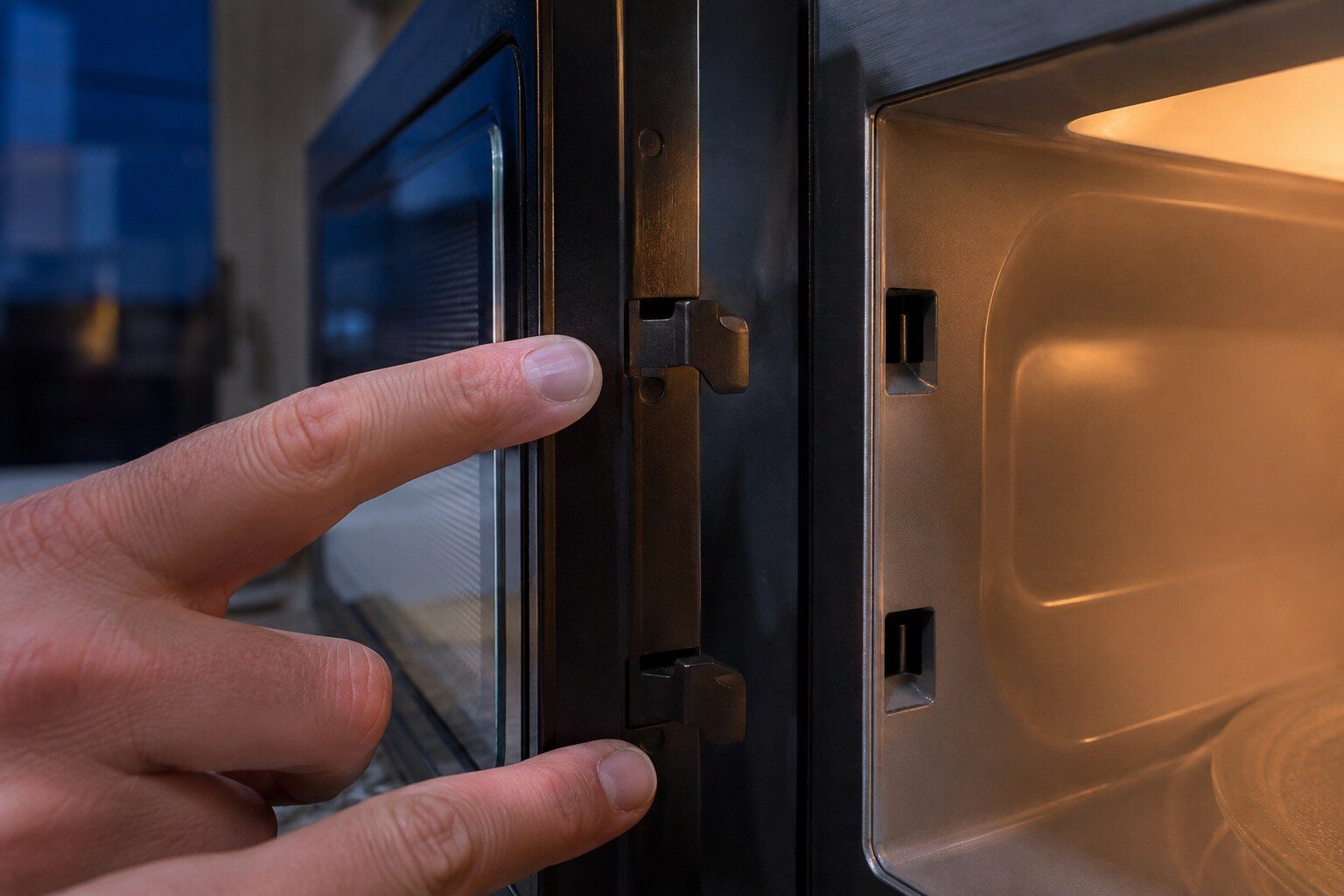
Several switches sit in the latch assembly. As the door closes, the hooks on the door enter their openings and operate those switches in a specific order and within a specific timing. The control watches that sequence. If it sees the switches operate out of order, or one of them fail to operate at all, it stops and asks you to try again.
That is the message. It is not saying the door is open. It is saying it did not see a door close the way a door close is supposed to look.
Why it is nearly always mechanical
The switches themselves rarely fail. What fails is the plastic around them.
The hooks on the door edge are molded plastic, and they operate several thousand times a year in a household that uses the machine daily. Over years the leading edges wear round. A rounded hook still enters its opening and still shuts the door, but it does not push its switch quite as far or quite as early, and eventually one of them reports outside the window the control accepts.
The second mechanical cause is the door itself dropping slightly on its hinges, which presents the hooks at the wrong height. The third is something in the opening — a crumb, a twist tie, a piece of packaging film.
None of those is electronics, and all of them are inexpensive.
The test that names it
Open the door fully, so the mechanism returns to rest. Then close it in one firm, deliberate movement, straight rather than at an angle.
Then try again with a gentle close, the way most people actually shut a microwave — a nudge with a hip or the back of a hand while carrying a plate.
If the firm close clears the message and the gentle one brings it back, you have your answer, and it is the latch. That is a repair rather than a mystery, and it is one of the shorter ones on this appliance.
What not to do, and this one is absolute
Do not take the cover off, and do not let anybody without the right training do it either.
A microwave stores high voltage in a capacitor to drive the part that makes the heat, and that capacitor can hold its charge long after the machine has been unplugged — days, in some cases. It is the reason there is genuinely nothing owner-serviceable inside one, and the reason this is the only appliance on this site where the advice ends with stop rather than with a checklist.
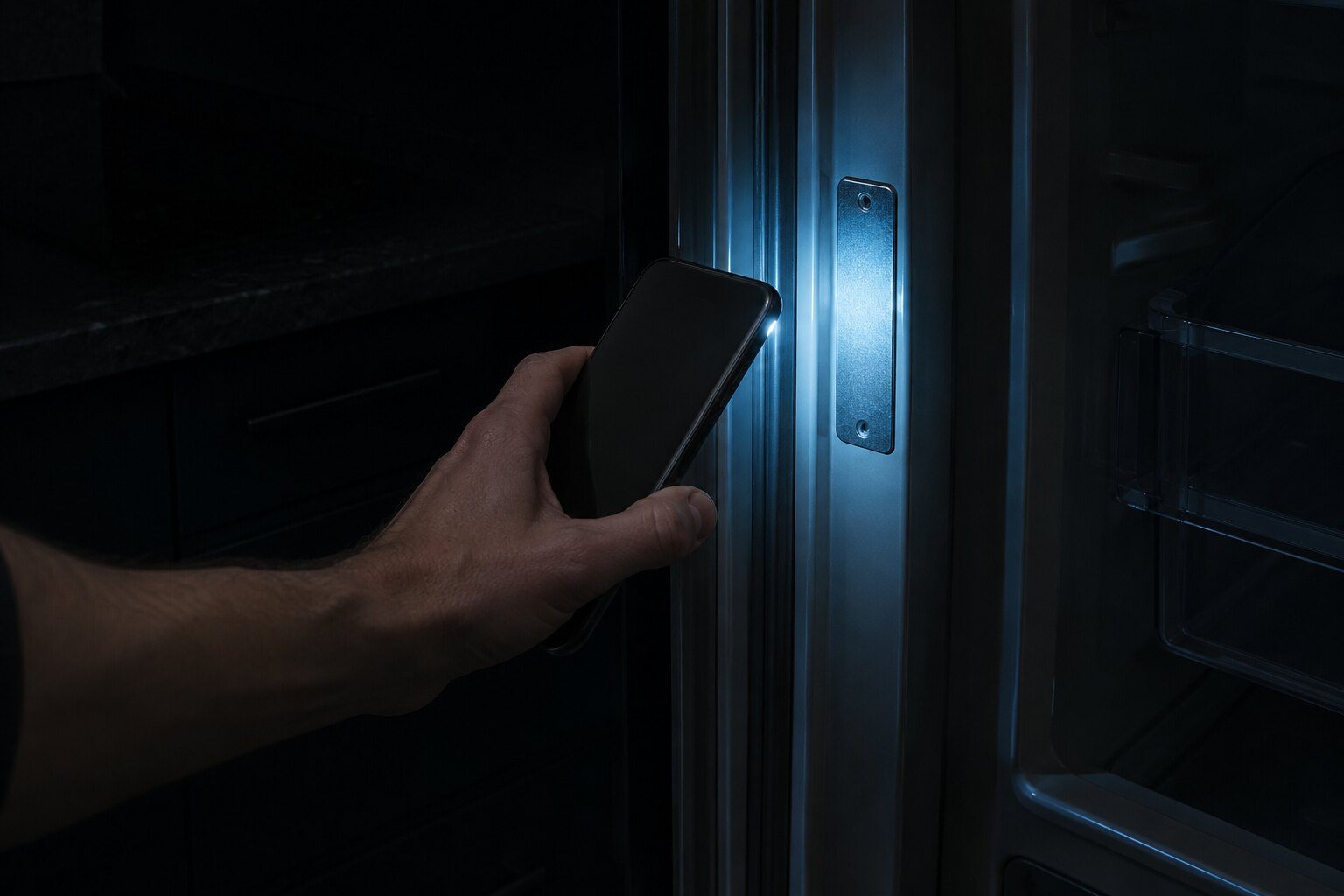
Everything on this page is done with the door open and a flashlight. Nothing on this page involves a screwdriver.
Built-in against countertop
This is where the honest conversation is, and it is different from the rest of the site.
An over-the-range unit is fitted to a cabinet opening and ducted, and replacing it drags in cabinetry and venting that cost far more than the appliance. A microwave built in alongside a wall oven is the same story with a wider opening. Those are worth a proper diagnosis and a proper repair every time.
A countertop machine is the opposite. Many repairs on one cost more than replacing it, and we will say so on the phone rather than after a visit. The latch is one of the few that can still make sense, which is why this page is worth reading before that decision is made.
What a latch repair involves
The assembly comes out as a unit rather than as individual switches, which is why it is a defined job with a defined price rather than an investigation. The door is removed or swung clear, the assembly is replaced, and the sequence is tested by closing the door gently several times — because a repair that only passes on a firm close has not fixed anything.
On an over-the-range machine there is an extra step: the unit has to come down off its mounting plate and off the cabinet above, which is a two-person lift over a cooktop. That is the reason a built-in microwave visit takes longer than a countertop one for the same part, and it is worth knowing when the appointment is being scheduled.
When the message is hiding something else
Occasionally this arrives alongside a machine that also will not heat when the door is accepted, or one that runs its fan and light and produces nothing. That is a different and larger problem, and the door message is a symptom of the control rather than the latch.
The way to tell is the water test: a cup of cold water on high for a full minute, on a cycle the machine does accept. If the water is genuinely no warmer, the door is not the only thing worth talking about, and it is worth saying so when you book.
If it turns out to be a repair
What this leads to, and what it costs
Every job on this site is priced the same way: an on-site diagnostic first, the figure agreed in writing before anybody starts.
-
Microwave runs but does not heat
A microwave that runs without heating is the one appliance on this site where the honest advice is often not to repair it. The part that makes the heat sits behind a capacitor that holds a dangerous charge long after the plug comes out, and on a countertop machine the repair rarely makes sense against the price of a new one. Over-the-range units are a different conversation entirely.
- Everything running normally except the heat is the classic picture and it is specific
- Never open the case — the capacitor holds a charge with the machine unplugged
- An over-the-range unit is built into cabinetry and is usually worth repairing
-
Microwave error code SE
Maytag microwave error code SE: Two boards sit behind a Maytag panel — the one you press and the one that runs the machine — joined by a ribbon that bends each time the door moves. Which machines can raise it, what the maker publishes about it, and what to do next.
What this one means -
Microwave repair
Sixty-seven of this maker's seventy-six microwave code pages belong to the over-the-range machine, which is the one worth repairing. It is fitted, wired, often ducted, and it carries the ventilation for the range beneath it — so replacing one is a carpentry job on top of an appliance one and the repair usually wins. On a countertop machine the arithmetic runs the other way and we say so on the phone rather than after a visit.
- Over-the-range machines: fitted, ducted, and the hood as well
- On a countertop machine we will usually tell you not to bother
- The high-voltage side is the last thing opened, not the first
-
Over-the-range microwave vent service
On most Maytag kitchens this appliance is the hood, which is why it gets a row of its own. Blower, damper, grease filters and — on a recirculating installation — the charcoal filter that nobody is told is a consumable. Most of the calls that arrive as smoke in the kitchen are about this half of the machine rather than the cooking half, and most of them are cheaper than the owner expects.
- This is the hood on most kitchens with this badge in them
- Grease filters and the charcoal filter first — both are consumables
- A fan that starts by itself is usually the appliance working correctly
Questions people ask about this
Why does my maytag microwave say open and close door when the door is shut?
Because the appliance is not reporting the door's position, it is reporting the sequence its switches saw. A door that is fully shut but arrived there slowly, or one whose latch hook has worn round, produces exactly this.
It clears if I slam it.
That is the diagnosis rather than the fix. A latch that only works when it is forced is worn, and it will get worse. It is also a small part and a short repair.
Can I take the door apart myself?
Please do not. There is nothing safely serviceable inside a microwave for an owner, and that is absolute on this appliance in a way it is not on any other on this site.
Is this the same as it not heating?
No, and that is good news. A machine that runs everything except the heat is a different and much larger conversation. This one is the latch.
Is it worth fixing on a countertop machine?
Sometimes, because the latch is one of the cheaper repairs. We will tell you honestly where the arithmetic falls. On an over-the-range unit fitted to a cabinet opening, it is nearly always worth doing.
Common Problems
More guides like this one
-
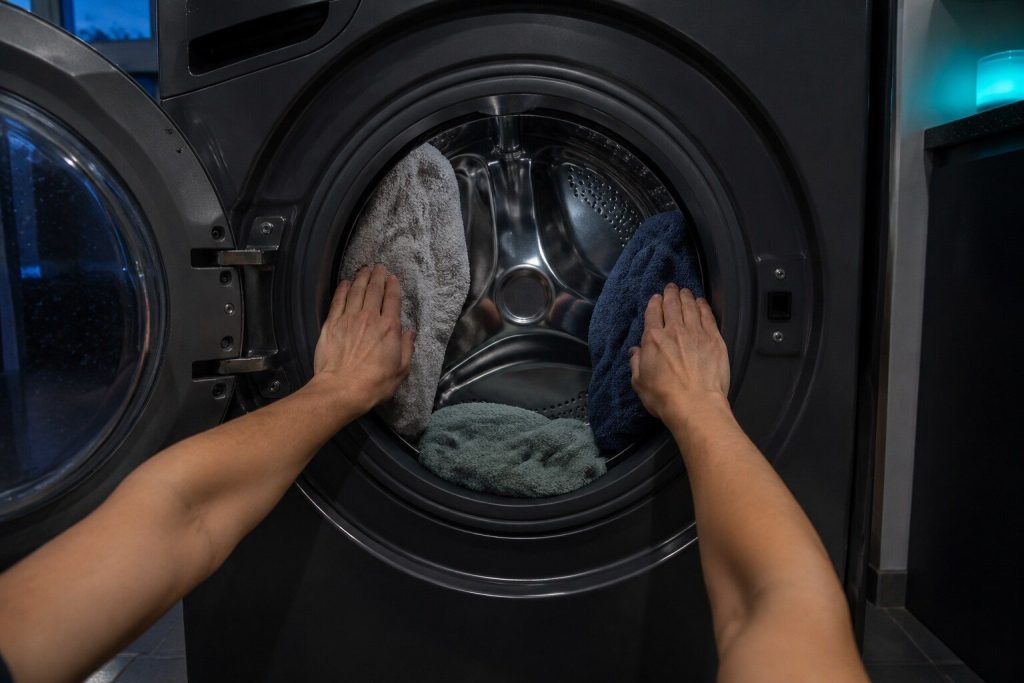
A Maytag Washer That Sits on Sensing Is Measuring, Not Waiting
Sensing is the machine weighing the load before it decides anything. A machine that will not leave it is reporting one of three things, and each has a different first check.
Read more -
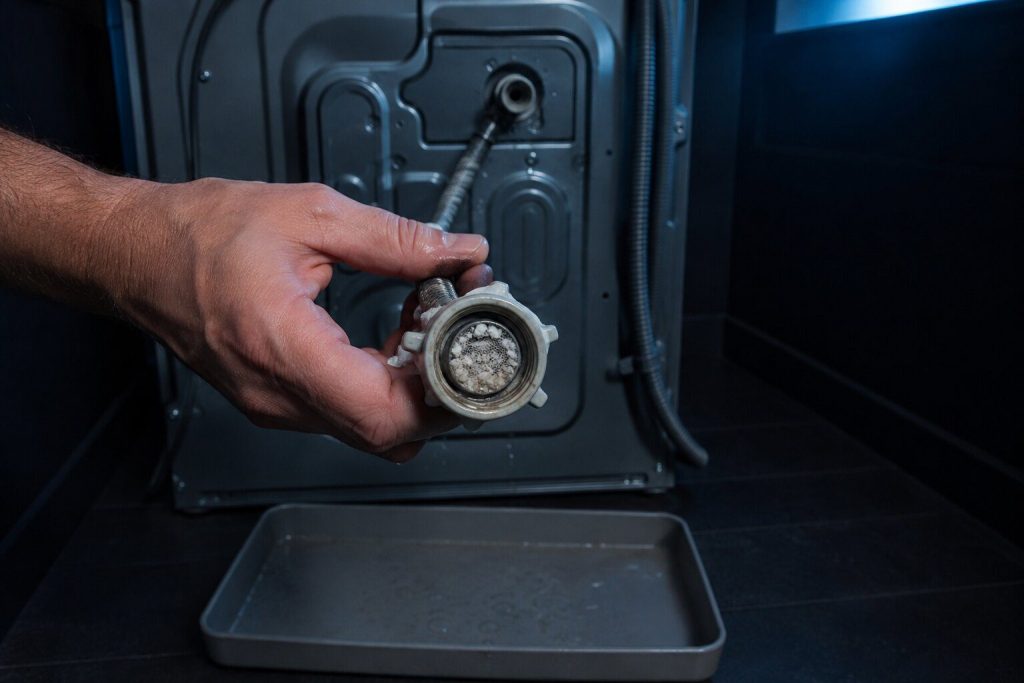
What Stops a Maytag Washer Filling, in the Order It Costs
Follow the water from the wall to the tub, the way a technician does. Four of the five things in that path cost nothing to check, and one of them is the answer surprisingly often.
Read more -
A Maytag Oven That Shuts Itself Off Is Protecting Something
Three completely different things stop an oven mid-bake, and which one it is depends on how long it ran, whether it came back, and whether anything appeared on the display.
Read more
Tell us the model number and what it is doing.
This article is based on:
- Official manufacturer documentation
- Internal repair procedures
- Technician repair history
- Company quality standards