Common Problems
A Maytag Dishwasher Leaking at the Bottom of the Door: Four Causes in Order
The door seal on these machines runs around three sides and stops, and the bottom edge is where the tub itself takes over. That is why a leak there has its own short list. Detergent is first and it is not a repair: hand dish soap, or too much of anything, produces foam that comes over the bottom edge on the very first cycle. Second is the vent or the lower gasket section itself, hardened or nicked. Third is loading, and specifically a baking sheet or a cutting board leaning against the inside of the door, which holds the seal open for the whole cycle. Fourth is overfilling, where the machine takes on more water than the tub was designed to hold and the excess leaves at the lowest point it can find. Only the last two of those need anybody to visit.
The full guide
Why is my maytag dishwasher leaking from the bottom of the door is a narrower question than it looks, and the narrowness is good news: water at that one edge has a short list behind it, and two of the four items on it are not repairs at all.
Why is my Maytag dishwasher leaking from the bottom of the door? Why that edge is different
The door seal on these machines is not a loop. It runs up one side, across the top and down the other, and stops. The bottom edge is closed by the tub itself and by the way the door pulls up against it when the latch engages.
That design is normal and it works, but it means the bottom edge has no gasket doing the work in the way the sides do. Anything that stops the door pulling fully home — a worn latch, a hinge that has dropped, something leaning against the inside — leaves a gap exactly where the water sits deepest.
So water at the sides and water at the bottom are genuinely different findings, and it is worth being precise about which one you have before anybody quotes for anything.
Start with what went into the cup
We ask this first and there is no embarrassment in the answer. Hand dish soap, or a generous dose of anything not sold as dishwasher detergent, produces enough foam to push water out around a perfectly good door on the very first cycle.
Foam finds gaps that water cannot. It travels along surfaces, it climbs, and it leaves the machine at the lowest opening available — which is the bottom of the door. This is the single most common leak we are called to and it is not a repair.
The fix is two or three rinse-only cycles with nothing inside and no detergent, until the foam stops. If the machine is dry after that, you are done.
The loading nobody thinks of as loading
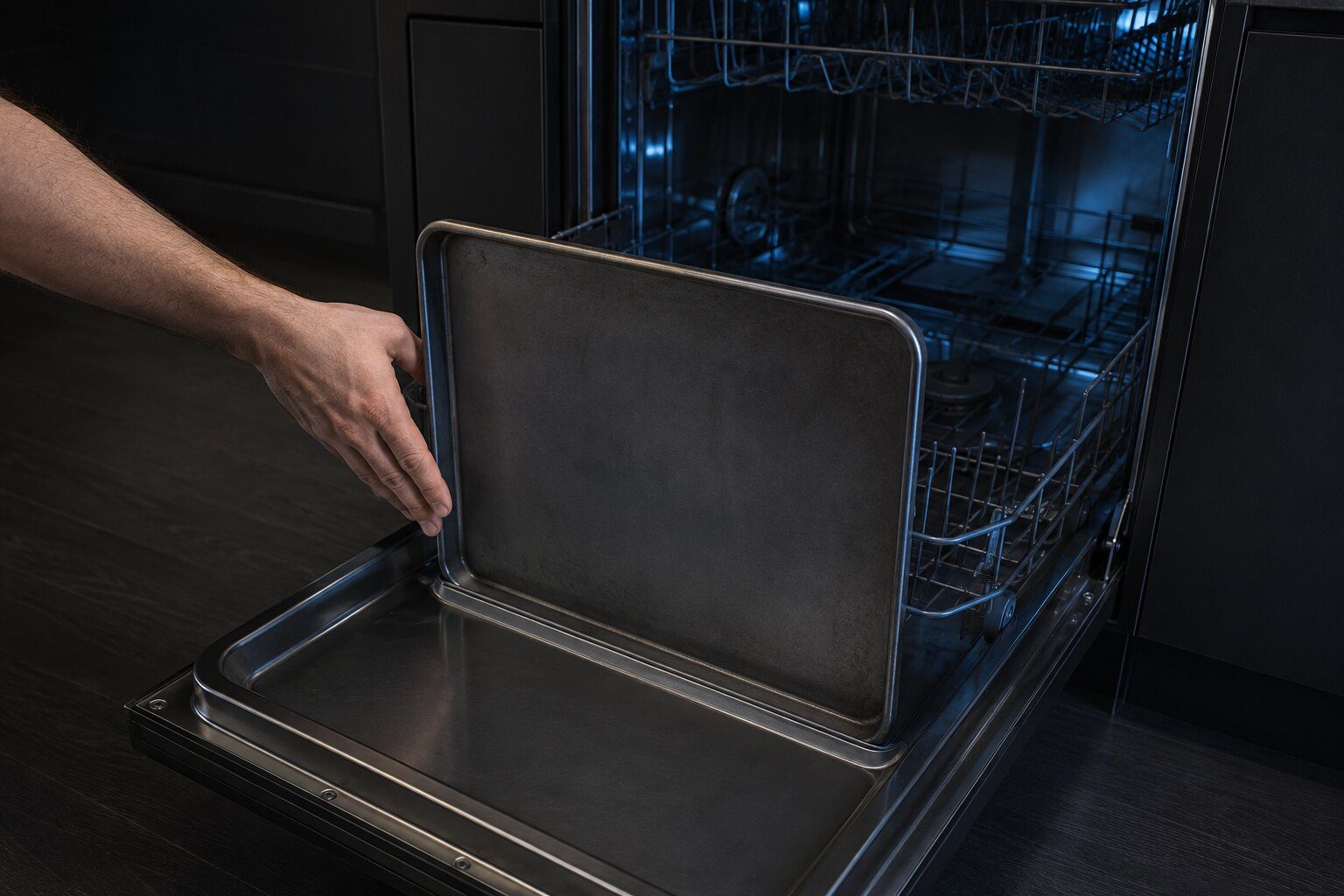
A baking sheet standing on edge in the front of the lower rack, a large cutting board, a roasting tray — any of these can lean fractionally against the inside of the door and hold it a millimeter off its seat.
A millimeter is enough. The machine runs for two hours pushing water at a door that is not quite closed, and the water leaves at the bottom because that is where gravity takes it.
This is the version that leaks on some loads and not others, and the pattern is the diagnosis. If you can think back over the last few leaks and find a large flat item in common, that is your answer and it costs nothing but a change of habit.
The gasket, and what to feel for
Open the door fully and run a finger around the seal, particularly at the two bottom corners where it turns. You are feeling for three things: grit caught in the fold, a nick or a tear, and a section that has gone hard and flat rather than staying springy.
Heat and years do the hardening. A gasket that has lost its spring no longer fills the gap when the door pulls home, and the first place that shows is the bottom, because that is where the water is deepest and the pressure highest.
It is a stocked part and a straightforward repair. What is worth doing first is confirming the machine is not overfilling, because a new gasket fitted to a machine that is taking on too much water leaks again within a fortnight.
Overfilling, which does not look like a leak
The tub is designed to hold a specific amount of water and no more. If the fill control lets it take on more than that, the excess has to go somewhere, and it goes out at the door.
The tell is that the leak is consistent — every cycle, roughly the same amount, regardless of what is loaded or what detergent was used. That consistency is what separates it from the other three, all of which are conditional on something.
This one is a genuine repair and it belongs to the fill side of the machine rather than the door.
Why we treat this as a this-week job
The machine sits inside a run of cabinetry, on a floor that is usually engineered plank or wood, and often with a finished ceiling underneath. Water finds the seam between the units before anybody sees it on the tile, so by the time a puddle appears in front of the machine it has generally been underneath it for a while.
That is not a reason to panic and it is not a sales line. It is the reason the first advice on this page is to stop using it rather than to run it once more and watch, and the reason a dishwasher leak gets booked ahead of most things on this site.
If it turns out to be a repair
What this leads to, and what it costs
Every job on this site is priced the same way: an on-site diagnostic first, the figure agreed in writing before anybody starts.
-
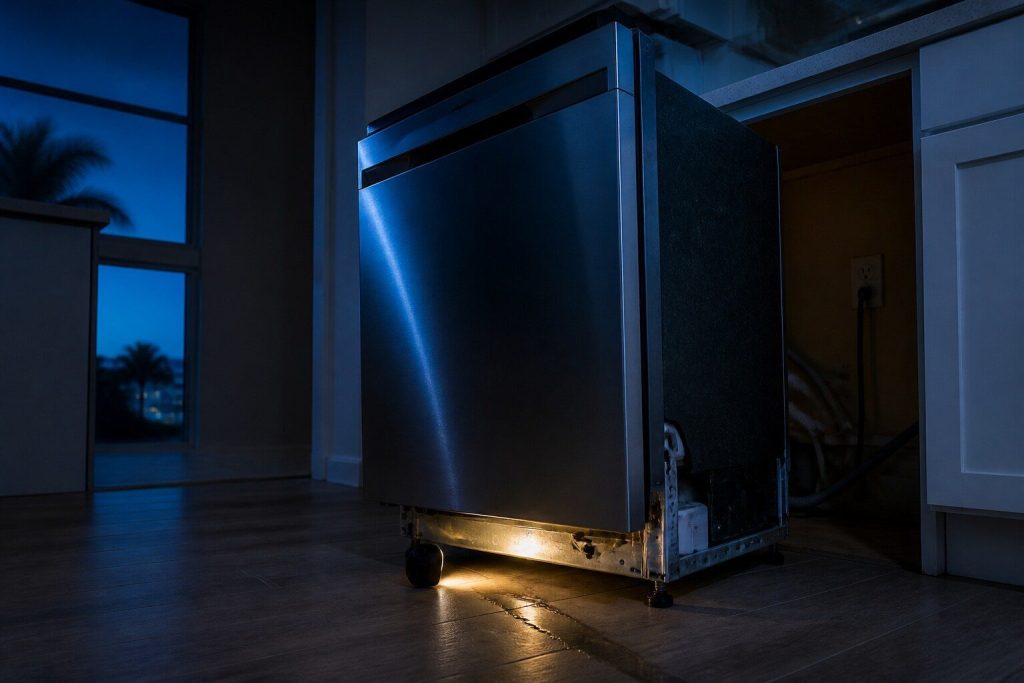
Water at the front of the machine or under the cabinet Dishwasher leaking onto the kitchen floor
A dishwasher sits inside cabinetry with a wood floor or a finished ceiling somewhere below it, which makes this the one leak on this site we would rather see quickly. The good news is that the door seal and the detergent are the two commonest causes, and neither is a large repair.
- Water at the front of the door is usually the seal or the dose, not the tub
- Water appearing under the neighboring cabinet has been running along the floor for a while
- Ordinary dish soap in the detergent cup produces a leak within one cycle
-
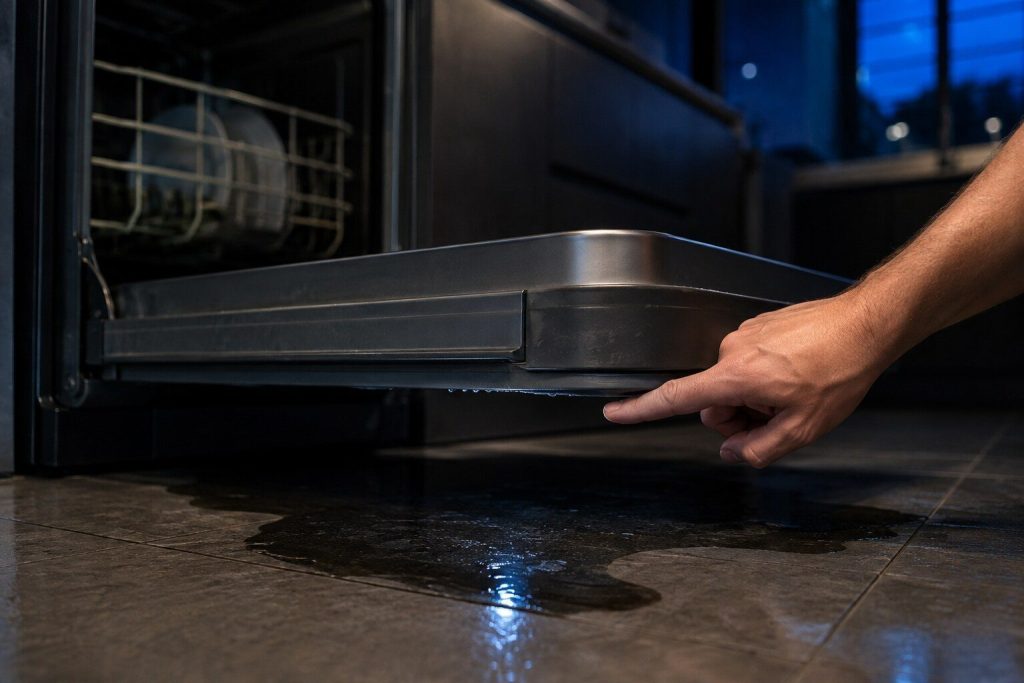
from $145 Dishwasher leak repair
Water on the floor in front of the machine, or under a cabinet run where nobody sees it for months. Finding it costs more than fixing it: a door gasket, a sump seal, a hose that weeps only under pressure at one point in the cycle. In a fitted kitchen the expensive half of this repair is the joinery, so it is dealt with as a today job rather than a weekend one.
- Found by running the machine and watching, not by guessing at the part
- A leak that appears at one point in the cycle points at one part
- The cabinet base is inspected before we leave
-
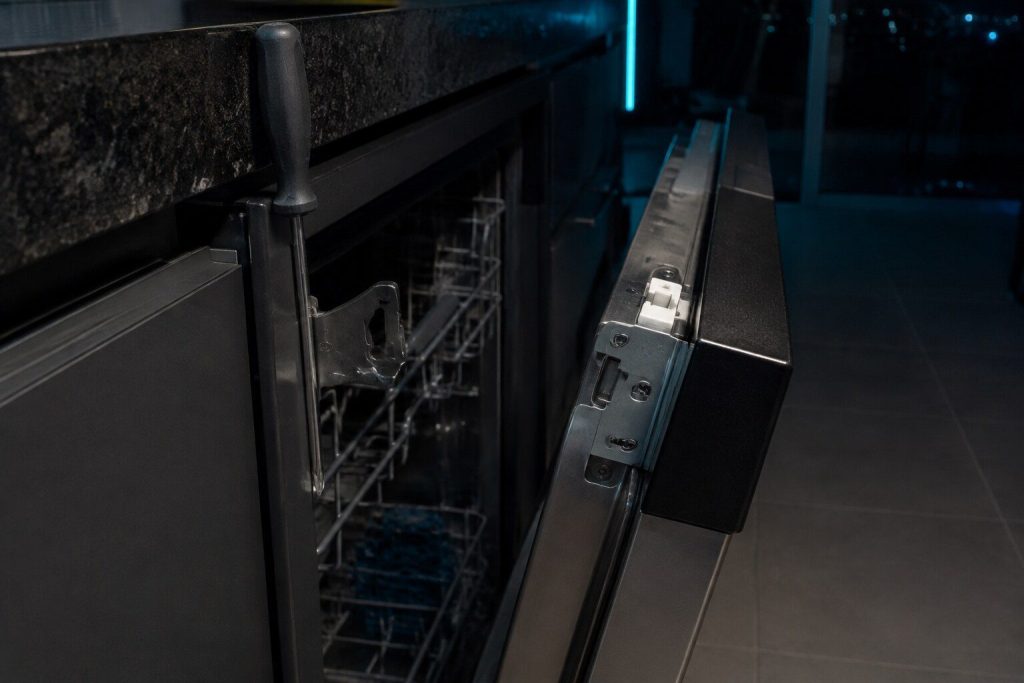
from $135 Dishwasher door latch repair
A door that will not latch, will not stay shut, or falls open instead of holding at an angle. The latch and the switch behind it are one repair; the springs that carry the door are another, and they are replaced as a pair or the door pulls out of square within a month. On a machine behind a custom panel the weight is a variable the factory could not know about.
- Latch, switch and springs — and the springs go in as a pair
- A door that will not latch is often a door that no longer closes square
- A custom panel changes the spring tension the factory set
-
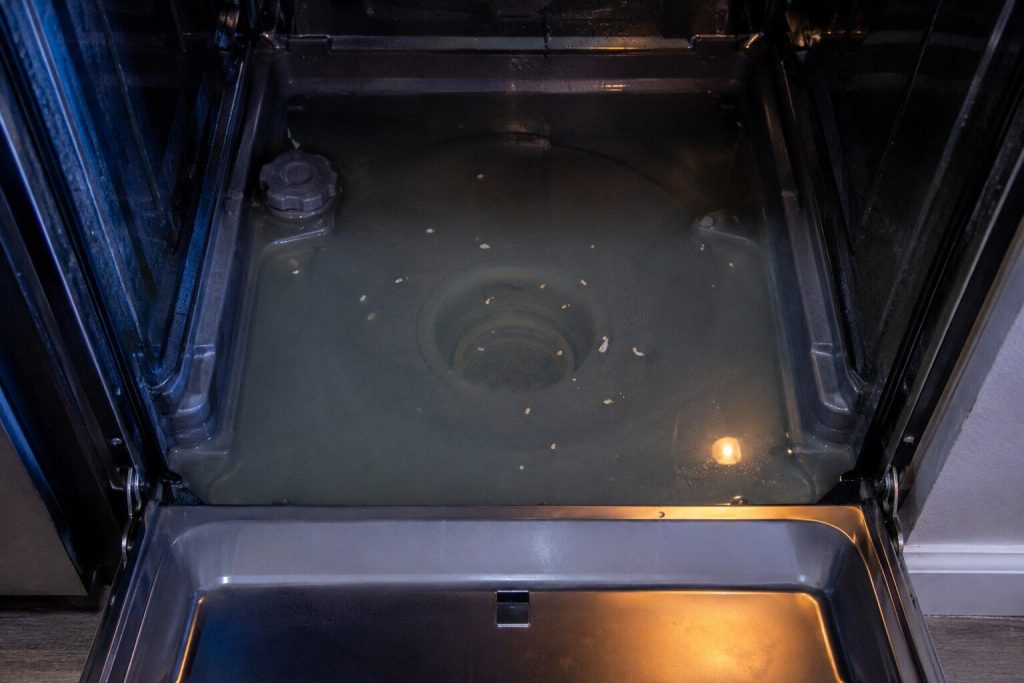
Water standing in the bottom of the tub after the cycle Dishwasher will not drain
An inch of water in the sump at the end of a cycle is normal on some machines and a problem on none of them. Standing water above the filter is the complaint, and on a Maytag dishwasher it is nearly always something between the tub and the sink drain rather than anything electrical.
- The filter in the base is the first place to look and it is designed to be removed by hand
- A new garbage disposal with its knockout plug still in place stops the dishwasher completely
- This machine may report the condition as a flashing light rather than as a number
Questions people ask about this
Why is my maytag dishwasher leaking from the bottom of the door only on some loads?
That pattern points at loading almost every time. Notice what the leaking loads have in common — a baking sheet, a large cutting board or a roasting tray in the lower rack front is the usual culprit, and it holds the seal open for the whole cycle.
I used regular dish soap once.
Then run two or three rinse-only cycles with nothing in the machine and no detergent before you judge it. Foam escapes where water never would, and it takes several cycles to clear out.
The floor is wood. Should I keep using it?
No. Wash by hand for a few days rather than run it again. A dishwasher leak onto a plank floor gets expensive considerably faster than the repair does.
There is no water at the door but the next cabinet is damp.
Then it is arriving from the back or the base and running sideways under the units, which is a different repair and always needs the machine drawn out. Say so when you book because it changes the visit.
Can I replace the seal myself?
The gasket itself is not difficult on most of these. What is worth knowing first is whether the seal is the cause, because fitting a new one to a machine that is overfilling produces the same puddle a week later.
Common Problems
More guides like this one
-
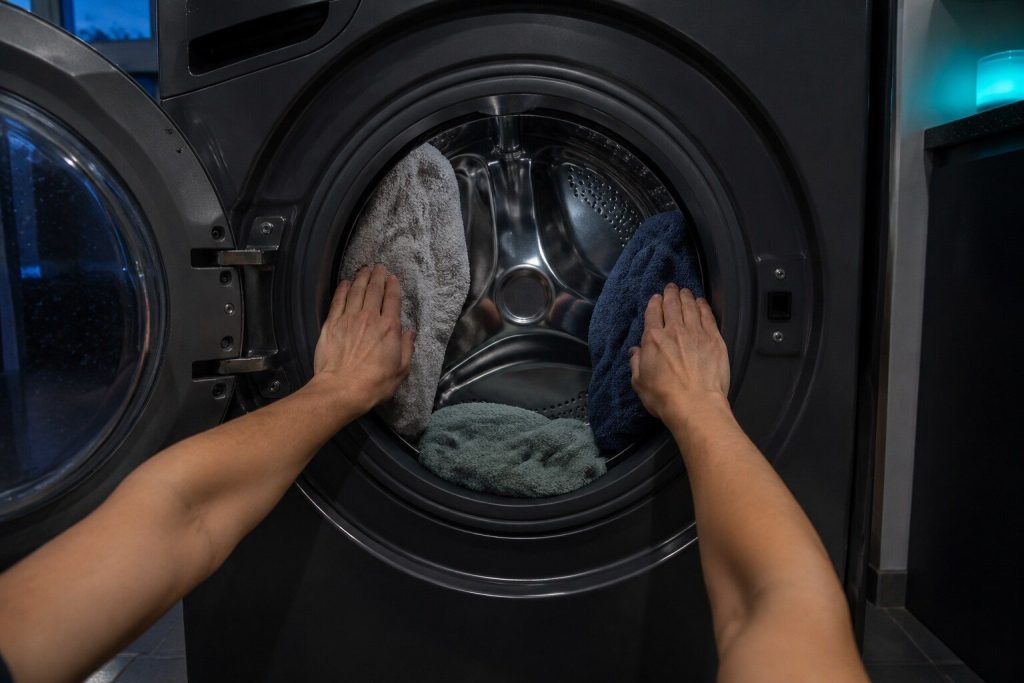
A Maytag Washer That Sits on Sensing Is Measuring, Not Waiting
Sensing is the machine weighing the load before it decides anything. A machine that will not leave it is reporting one of three things, and each has a different first check.
Read more -
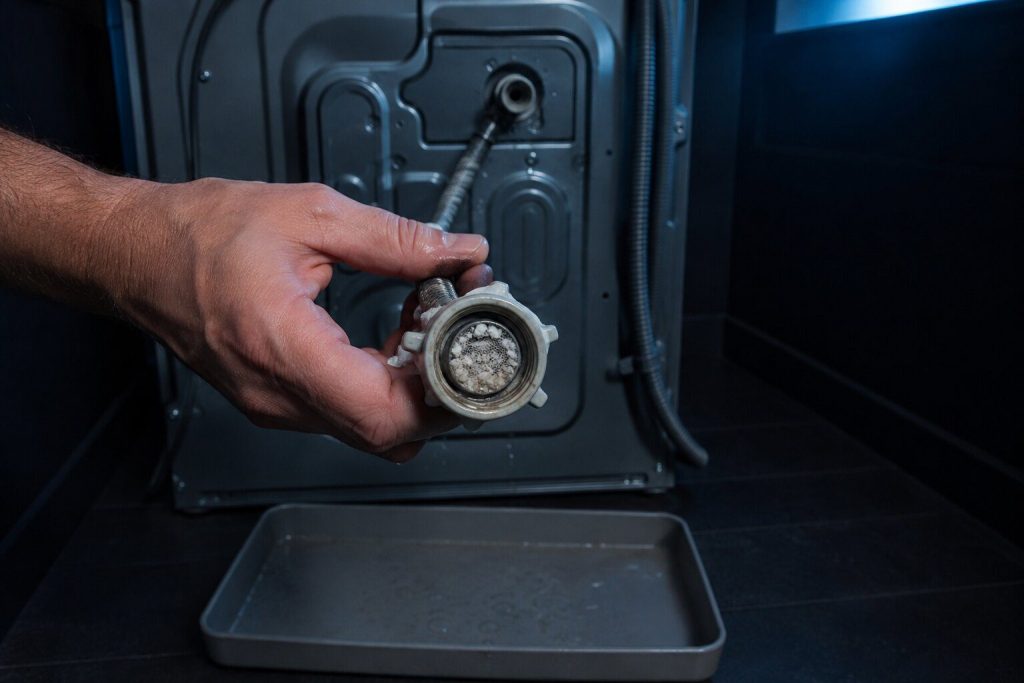
What Stops a Maytag Washer Filling, in the Order It Costs
Follow the water from the wall to the tub, the way a technician does. Four of the five things in that path cost nothing to check, and one of them is the answer surprisingly often.
Read more -
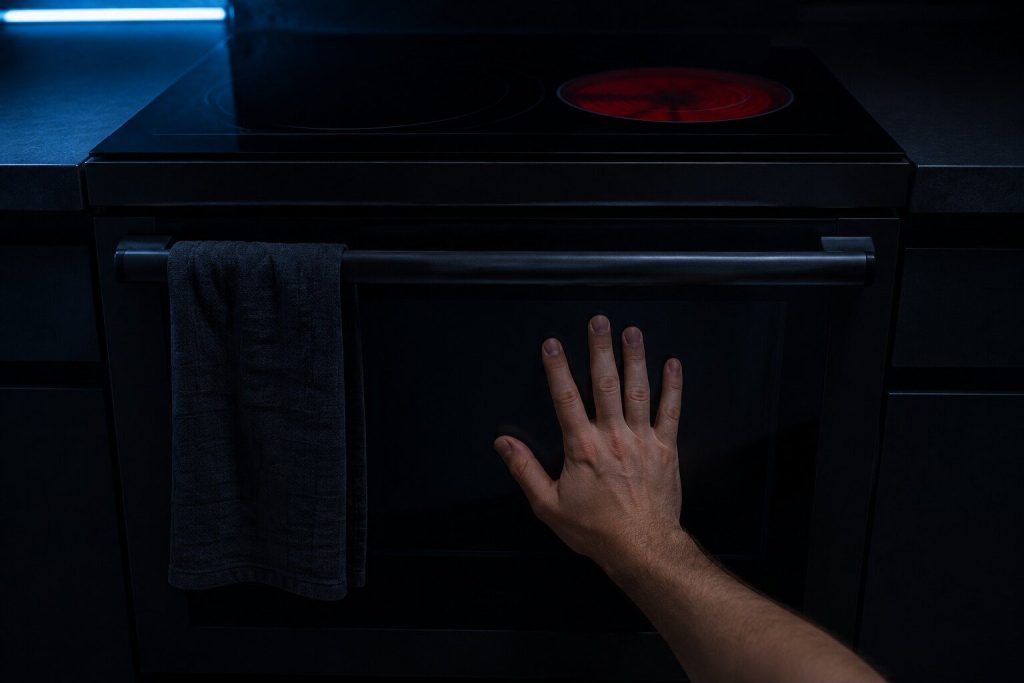
A Maytag Oven That Shuts Itself Off Is Protecting Something
Three completely different things stop an oven mid-bake, and which one it is depends on how long it ran, whether it came back, and whether anything appeared on the display.
Read more
Tell us the model number and what it is doing.
This article is based on:
- Official manufacturer documentation
- Internal repair procedures
- Technician repair history
- Company quality standards