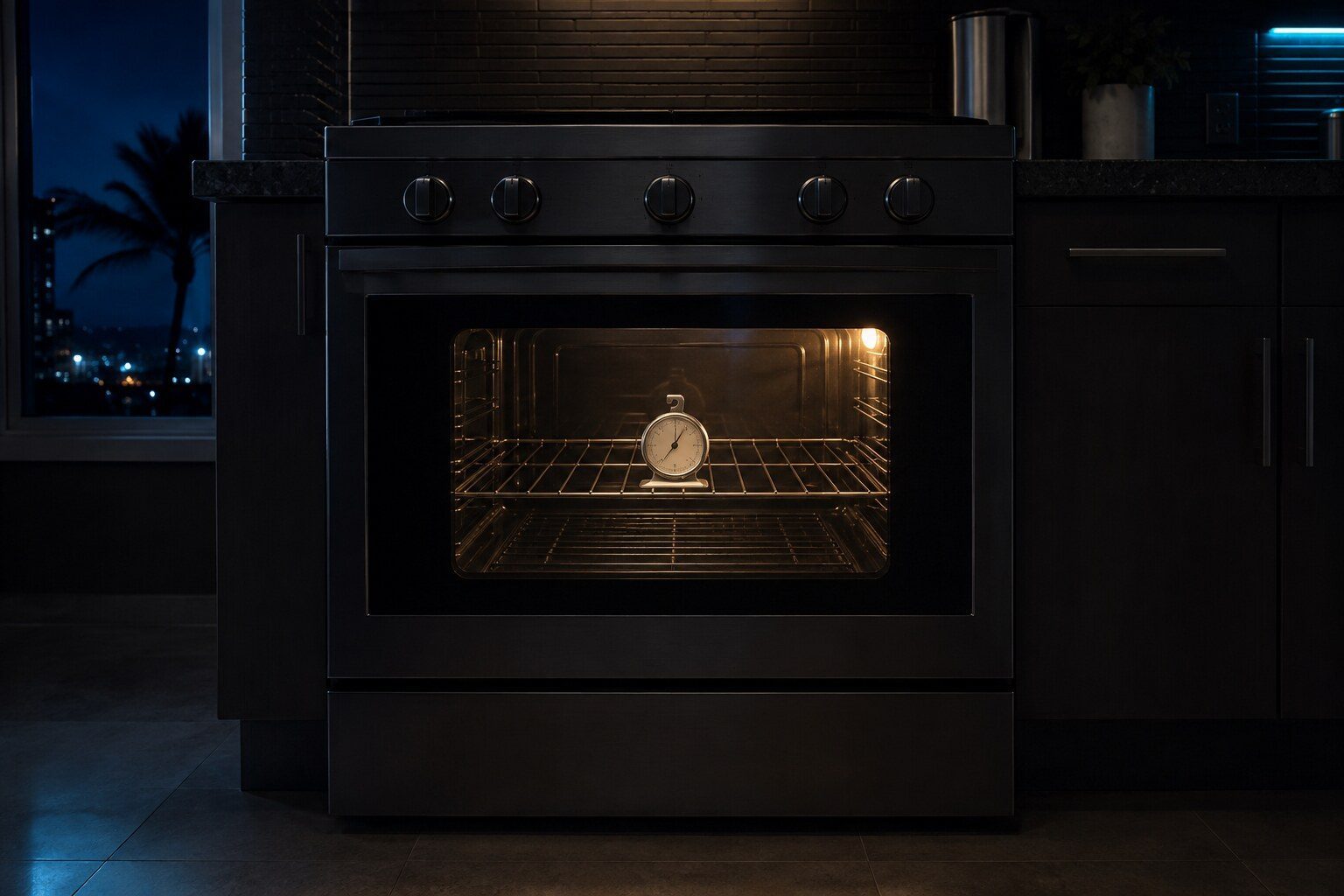
Common Problems
A Maytag Oven Slow to Preheat Is Heating the Room, Not the Food
An oven heats the air in the cavity quickly and the metal around it slowly, and on most machines the preheat chime is timed rather than measured. So there are two different complaints hiding here. One is an oven that genuinely takes longer than it used to, which is a weak element, a door that no longer seals, or a sensor reading high. The other is an oven that chimes on schedule and is not actually at temperature, which is normal on a great many ovens and is why cakes come out flat when the recipe was followed exactly. Both are settled the same way: an oven thermometer on the middle rack, a reading half an hour after the chime, and three more over the following twenty minutes. Four numbers tell you which of the two you have.
The full guide
Why does my maytag oven take so long to preheat sounds like one question and is two, and separating them takes half an hour of your time and a five-dollar thermometer.
Why does my Maytag oven take so long to preheat? What preheating actually is
The element heats air. The air heats the metal walls, the racks and the door. Those have far more mass than the air does, so they take considerably longer, and until they are up to temperature they pull heat back out of the air every time the door opens or the food goes in.
That is why a cake put into an oven that has just chimed behaves differently from the same cake put in ten minutes later. The air is at 350 in both cases. The oven is not.
Most ovens, including these, sound the preheat chime on a timer rather than on a measurement. That is not a defect and it is not deception — it is a reasonable approximation for roasting, which forgives a great deal. It is not a reasonable approximation for baking, which forgives nothing.
Two complaints wearing one sentence
The oven is genuinely slower than it was. Something has changed: an element weakening, a door no longer sealing, or a sensor reading high so the oven believes it is closer than it is. This is a repair.
The oven has always chimed early and somebody has started baking. Nothing has changed except what is being asked of it. This is a habit, and the fix is ten more minutes.
The two feel identical from the kitchen. They are separated by a number.
The measurement, done properly
Put a standalone oven thermometer in the middle of the center rack. Set the oven to 350. Ignore the chime completely and wait a full thirty minutes.
Read it, then take three more readings over the following twenty minutes.
Four numbers, and they answer everything. Steady and correct means the oven is fine and the chime is early. Steady and low by a consistent amount means calibration or the sensor, both of which are small. Wandering by fifty degrees between readings is neither, and it is a control question.
Reading at the chime tells you nothing, because that is the overshoot — the element runs on past the setting and the air spikes before settling. Half the people who measure an oven measure that spike and conclude it runs hot.
The door, which nobody suspects
Take a slip of paper, shut it in the door, and pull. It should hold firmly. Do it at six or eight points around the seal, including the two bottom corners.
Anywhere it slides out with no resistance is heat leaving continuously while the element works to replace it. That is a long preheat and a struggling bake at the same time, and it is usually a gasket that has hardened or a hinge that has dropped a few millimeters.
Self-clean cycles are hard on gaskets. If the oven has been cleaned that way regularly and the seal now feels stiff and flat rather than springy, that is the likely story.
Watch the element itself
On an electric oven, set it to bake at a high temperature and look at the element in the floor of the cavity through the door.
It should glow along its whole length within a few minutes. A dull glow, or one that is bright in places and dark in others, is an element on its way out. That produces exactly this complaint — the oven still works, it still gets there, and it takes half as long again as it used to.
On a gas oven the equivalent observation is the igniter behind the floor vent: it should glow orange and bring on a flame inside a minute. An igniter that takes noticeably longer to light the burner is weakening, and a long preheat is its first symptom rather than its last.
Why a cavity size changes the answer
A single wall oven, a double wall oven and a range oven do not preheat at the same speed and never did. A large cavity has more air and considerably more metal, and a double oven often shares a cooling path between the two compartments.
That matters for this complaint because the comparison people make is usually against a previous appliance rather than against the same one. An oven replaced last year with a bigger one will take longer, and nothing is wrong.
The comparison worth making is against the same oven earlier in its life, and if nobody timed it then, the thermometer readings are the substitute. An oven that reaches and holds 350 accurately is doing its job whatever the clock says.
What to tell us when you book
The four thermometer readings, whether the paper test held, and whether the oven eventually gets there or never does. With those we can usually say whether this is a sensor, an element or a door before anybody sets off, and those are three different parts.
If it turns out to be a repair
What this leads to, and what it costs
Every job on this site is priced the same way: an on-site diagnostic first, the figure agreed in writing before anybody starts.
-
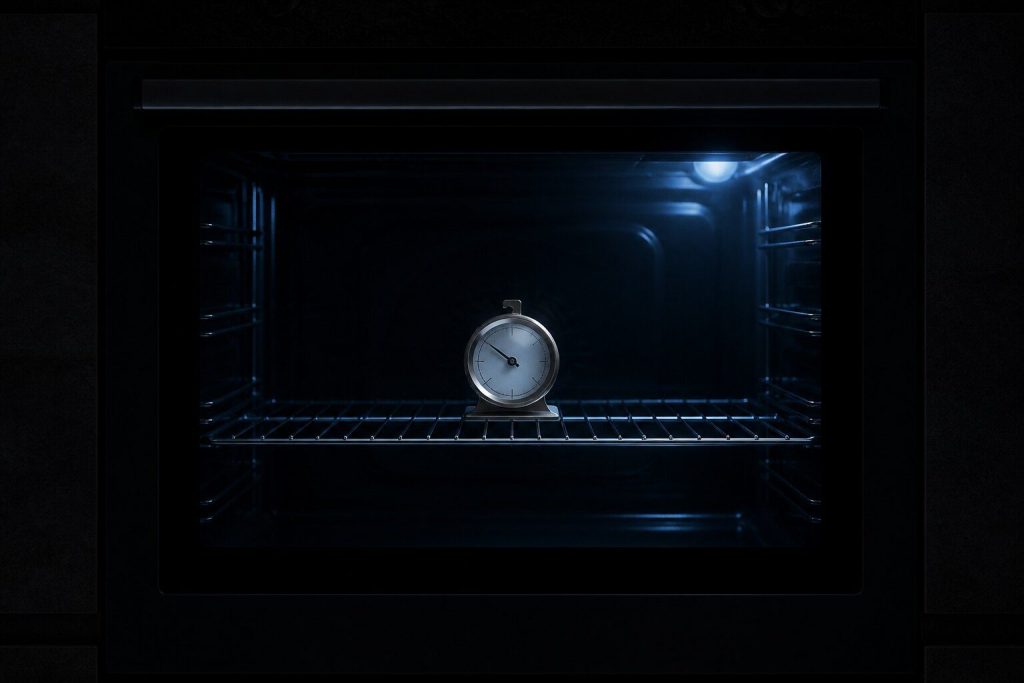
Everything is burning, or nothing browns and cakes come out flat Oven runs hot or cold
An oven that heats but heats wrongly is the hardest complaint to describe and the easiest to measure. Before anything is called a repair, it is worth finding out whether the oven is actually wrong and by how much, because ovens drift over years and this one may only need telling.
- Measure it before you judge it — an oven thermometer settles the argument in half an hour
- These ovens have an owner-adjustable calibration and it is a menu item, not a repair
- A large and steady error is a sensor; a wandering one is a control
-
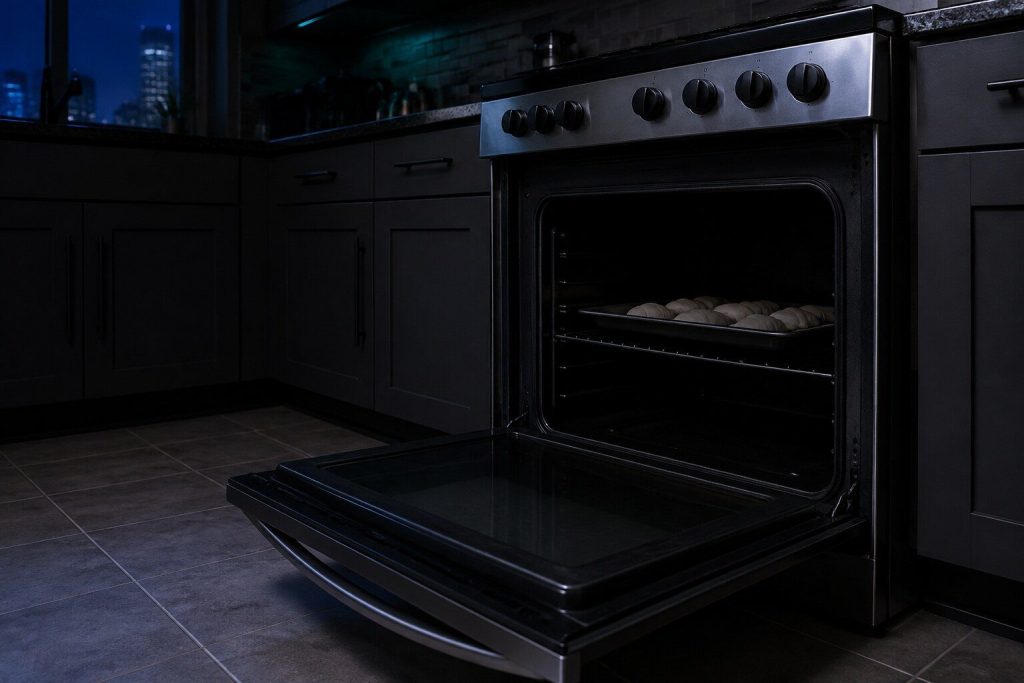
The oven takes the setting, and the cavity stays cold Oven will not heat
An oven that accepts a temperature and never reaches it is usually reporting the problem somewhere, because this is the half of the house where this maker prints numbers. Look at the display before you look at anything else — an F code here is a specific, published condition and it saves most of the guessing.
- A code on the display is worth writing down before the power is cut
- Gas and electric ovens fail in completely different places
- A demonstration mode left on will heat nothing at all and looks like a dead oven
-
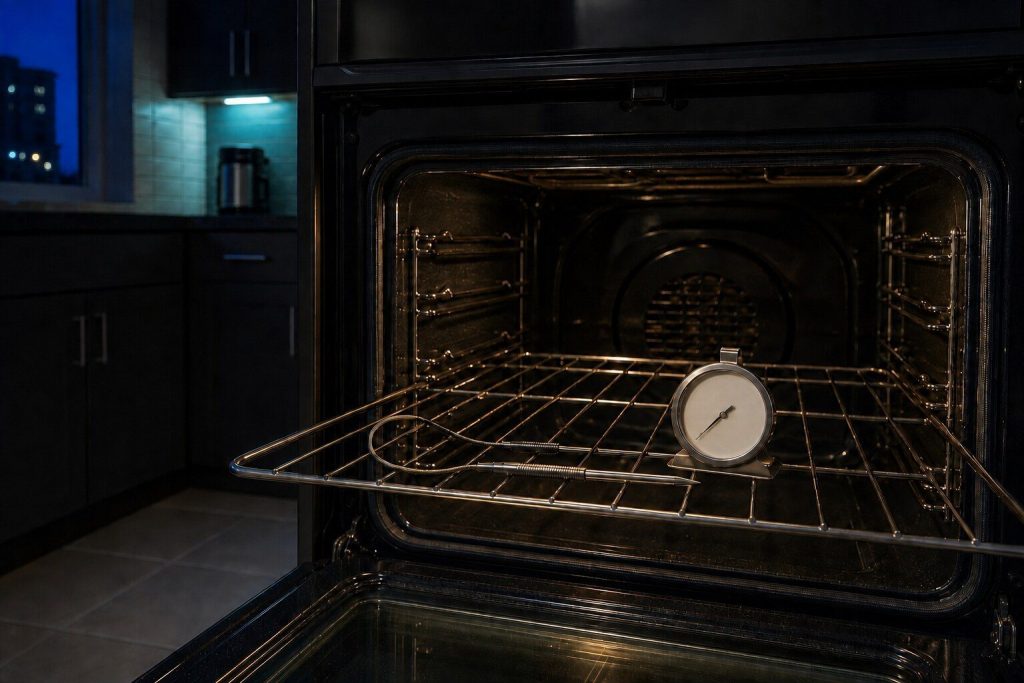
from $125 Oven temperature sensor service
The cheapest of the oven rows and the correct answer to an oven that is out by a consistent amount. A sensor drifts rather than fails — it reads a little low for a year and then a lot — so the complaint arrives as baking that has gone wrong rather than as an appliance that has stopped. It is measured against the maker's own resistance figure rather than replaced on suspicion.
- The right answer when the oven is wrong by the same amount every time
- Measured against the maker's own figure rather than swapped on suspicion
- The connection behind the cavity is checked as carefully as the part
-
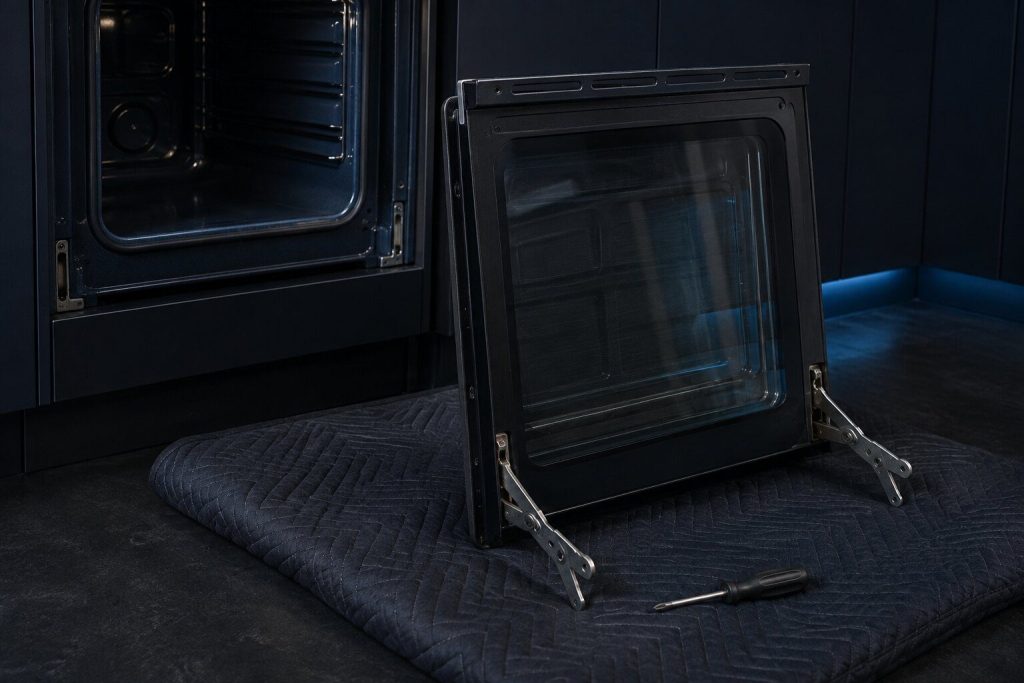
from $175 Oven door and hinge repair
A door that will not close square, has dropped, or has fogged between its panes. On a double wall oven it is a two-person job and that is quoted openly rather than discovered on the day. A door out of true costs heat and evenness before it costs anything else, so an oven that has started browning on one side is worth checking here before the element is suspected.
- A door out of true costs heat and evenness before anything else
- Hinges go in as a pair, and the door is set to the cabinetry either side
- On a double oven this is a two-person job and it is quoted as one
Questions people ask about this
Why does my maytag oven take so long to preheat compared with last year?
Compare it with a number rather than a memory. If a thermometer shows it reaching temperature and simply taking longer, that is a weak element or a door leaking heat; if it never reaches temperature, it is a different repair.
The oven says preheated but it is not.
Very common, and on most ovens it is not a defect — the chime is timed rather than measured. Give it another ten minutes before the food goes in and see whether the baking improves.
How long should a preheat take?
Ten to fifteen minutes to 350 on a healthy oven, longer on a large cavity or a double oven. What matters more than the figure is whether it has changed, and by how much.
It preheats fine but bakes badly.
Then the setting is being reached and not held, or the heat is not distributed. That is a different page and it points at the sensor or the element rather than at the preheat.
Does the door seal really matter that much?
Yes, and it is easy to test. Shut a slip of paper in the door and pull. It should hold firmly all the way around; anywhere it slides out freely is heat leaving while the oven works to replace it.
Common Problems
More guides like this one
-
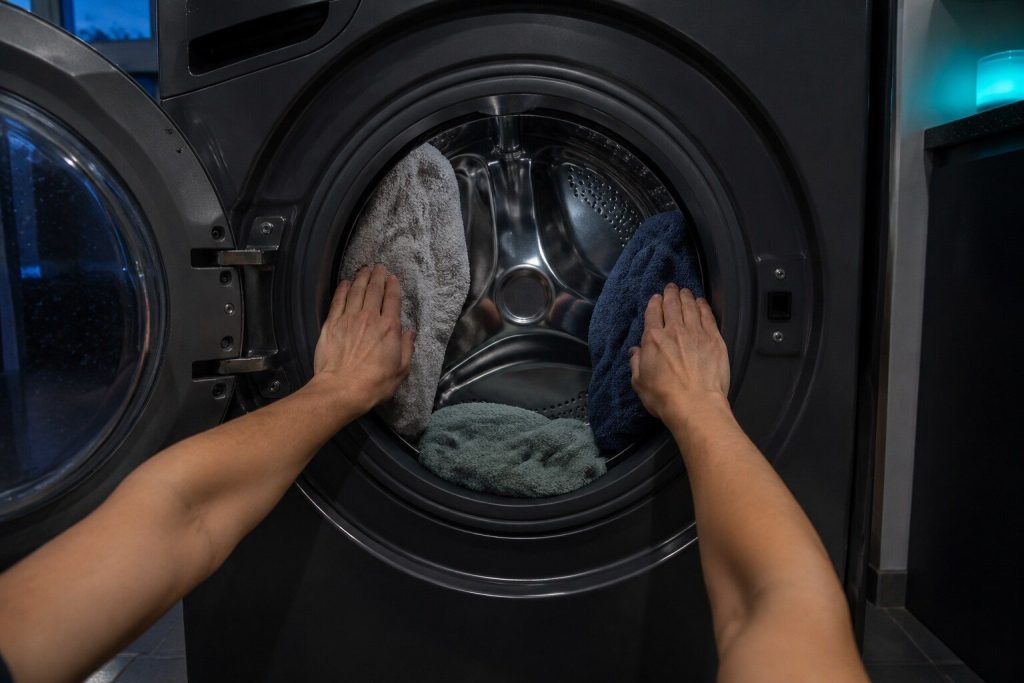
A Maytag Washer That Sits on Sensing Is Measuring, Not Waiting
Sensing is the machine weighing the load before it decides anything. A machine that will not leave it is reporting one of three things, and each has a different first check.
Read more -
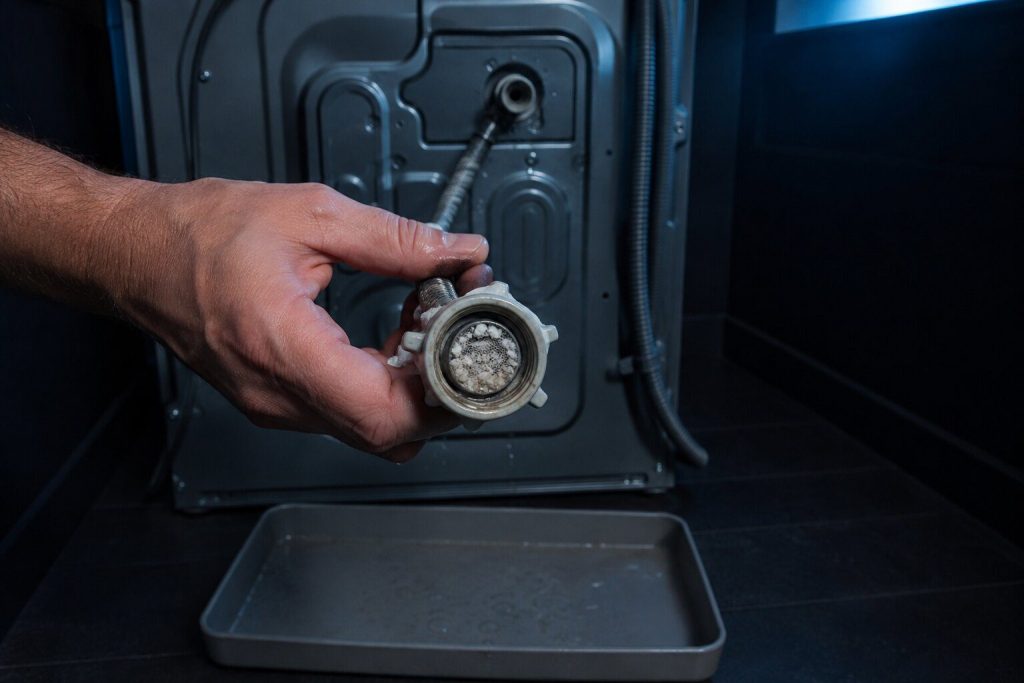
What Stops a Maytag Washer Filling, in the Order It Costs
Follow the water from the wall to the tub, the way a technician does. Four of the five things in that path cost nothing to check, and one of them is the answer surprisingly often.
Read more -
A Maytag Oven That Shuts Itself Off Is Protecting Something
Three completely different things stop an oven mid-bake, and which one it is depends on how long it ran, whether it came back, and whether anything appeared on the display.
Read more
Tell us the model number and what it is doing.
This article is based on:
- Official manufacturer documentation
- Internal repair procedures
- Technician repair history
- Company quality standards